
Cheiridopsis acuminata
Cheiridopsis acuminata
Description
Sowing dates
Propagation of Cheiridopsis acuminata by seeds is best initiated during the spring season when increased daylight hours support seedling development. Ideal germination temperatures range between +20 and +25 degrees Celsius.
Seeds should be sown in a light, highly permeable substrate consisting of sand and loamy soil. The seeds are distributed evenly on the surface and lightly dusted with fine gravel rather than buried deeply.
Maintaining high humidity under a transparent cover is essential during the initial phase. Daily ventilation is required to ensure adequate airflow and to prevent the development of mold and damping-off disease.
Transplanting seedlings into individual pots is performed only after the formation of the second pair of true leaves. Care must be taken to avoid disturbing the fragile root system during the process.
Gradual acclimatization to direct sunlight is crucial for young plants. Moving them directly into intense light can cause tissue damage and sunburn, which the delicate seedlings may not survive.
Growing requirements
Cheiridopsis acuminata is a perennial succulent belonging to the Aizoaceae family, native to the arid regions of Southern Africa. It is highly adapted to desert and semi-desert environmental conditions.
Cultivation requires a sandy, well-draining soil mix with minimal organic matter. Water stagnation in the root zone is lethal to this species and leads to rapid root rot if not managed properly.
During the growing season, watering should be controlled and moderate. It is important to ensure the soil substrate dries out completely between waterings to mimic the natural rhythm of desert precipitation.
A mandatory winter rest period is required, characterized by temperatures between +10 and +12 degrees Celsius and a near-complete cessation of watering. This cycle is vital for the plant's health and flowering.
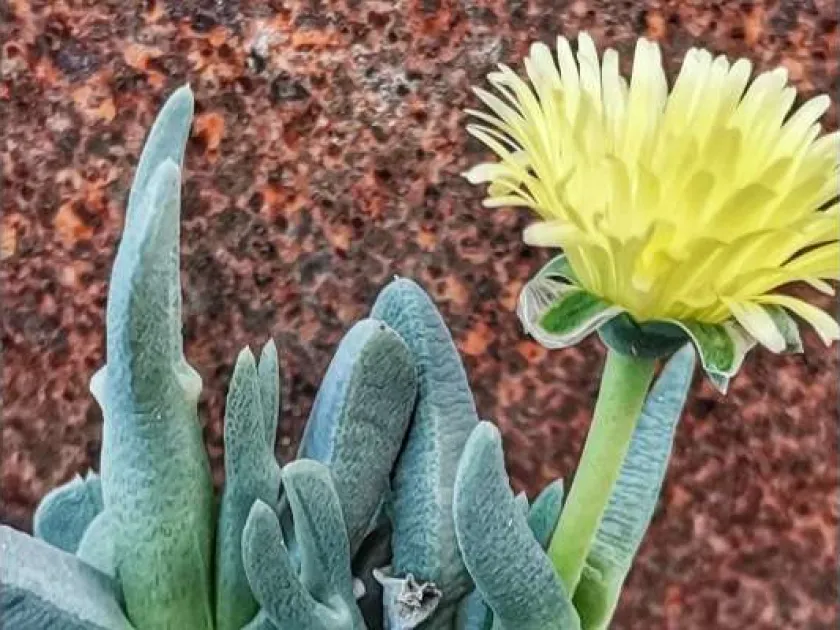
The plant features distinct fleshy, pointed leaves forming a compact rosette. During dormancy, the plant may naturally shed older leaves or develop a dry, papery skin, which is a normal survival strategy.
Main diseases and pests
The primary threat to this species is rot, typically caused by excessive moisture or poor ventilation. If softening of the tissues occurs, immediate cessation of watering is required to save the plant.
Mealybugs are the most common pests, often hiding within the leaf axils. The application of systemic insecticides is recommended to effectively manage infestations within the compact succulent foliage.
Spider mites may affect the plants in environments with very low humidity and stagnant air. Maintaining good air circulation is the most effective preventative measure against these pests.
Root mealybugs pose a significant challenge as they remain hidden below the soil surface. Infested plants require a thorough cleaning of the root system and complete replacement of the old substrate.
The use of non-sterilized soil increases the risk of fungal infections. Proactive measures, such as heat treatment of the soil mix, are highly recommended to ensure a clean growing environment.