
Cheiridopsis purpurea
Cheiridopsis purpurea
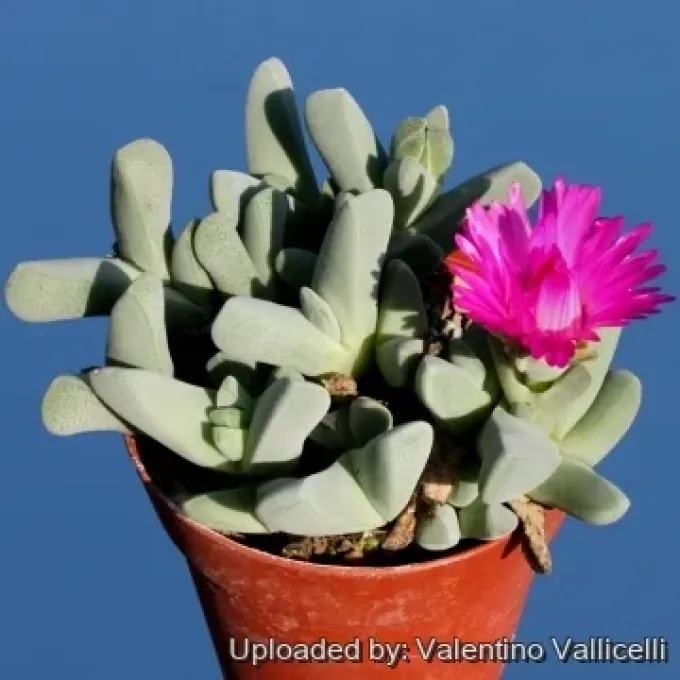
Description
Sowing dates
Sowing seeds of Cheiridopsis purpurea should occur in early spring to take advantage of increasing daylight and rising temperatures.
Use a well-draining, mineral-based substrate in shallow pots to prevent excess moisture from accumulating around the seeds during germination.
Seeds are placed on the surface and covered with a very thin layer of fine sand, maintaining humidity with a transparent cover initially.
A consistent temperature range of 20–22 degrees Celsius is essential for high germination rates and uniform seedling growth.
Once true leaves appear, provide good ventilation and gradually introduce the seedlings to direct sunlight to ensure compact growth.
Growing requirements
Cheiridopsis purpurea is a member of the Aizoaceae family, native to the arid environments of South Africa, where it thrives in rocky terrain.
The culture requires an extremely gritty and free-draining soil mix consisting mostly of coarse sand, perlite, and small gravel fragments.
Intense, full sun exposure is a critical requirement for this species, as low light levels will cause the plant to etiolate and lose its shape.
Watering must follow the seasonal cycle: active growth periods require occasional deep watering, while the winter dormancy requires nearly total dryness.
Proper air circulation is vital, as it mimics the natural windy conditions of its native habitat and prevents fungal infections on the leaves.
Main diseases and pests
Root rot is the most significant threat to the plant, usually triggered by improper watering schedules or poorly draining soil mixtures.
Mealybugs are the primary pest concern, frequently hiding in the dense clusters of leaves where they are difficult to detect early on.
Spider mites may occasionally appear if the environment is too hot and dry without any airflow, causing discoloration on the succulent foliage.
Prevention involves keeping the plant clean and monitoring for any signs of soft spots, which indicate the early stages of decay.
If chemical treatment is necessary, use systemic insecticides specifically labeled for delicate succulent species to avoid leaf damage.