
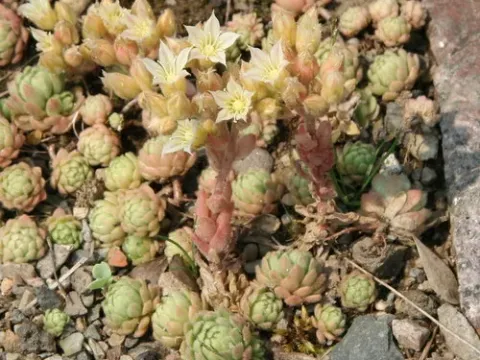
Chaloupkaea
Chaloupkaea
The genus Chaloupkaea does not fall under agricultural crop classification and therefore does not have traditional sowing periods. These fungi develop naturally within specific ecological niches.
What the section contains

Chaloupkaea
Spore dispersal occurs via environmental factors such as wind and water currents. The establishment of mycelium is strictly dependent on the presence of suitable organic substrate.
In laboratory settings, cultivation requires advanced mycological techniques. Maintaining environmental stability is the primary challenge in ensuring healthy colony growth.
Development stages are closely tied to seasonal moisture cycles. Unlike field crops, there is no manual intervention for planting; reproduction is entirely biological.
Understanding the life cycle of these fungi requires analysis of soil organic matter content. Mycelial expansion is a slow, continuous process influenced by environmental cues.
Chaloupkaea species require high humidity levels for metabolic processes. Desiccation is the primary limiting factor for their survival and reproductive success.
Moderate temperatures are essential for the growth of these fungi. Extreme heat or prolonged freezing can cause irreparable damage to the mycelial structures.
The preferred substrate for this genus is decomposing organic matter, particularly leaf litter or decaying wood. The pH level of the substrate plays a crucial role in nutrient uptake.
Lighting conditions must be shaded or diffuse. Intense sunlight increases evaporation, which is detrimental to the development of fungal fruiting bodies.
Soil composition must be stable and rich in natural microorganisms. Any disruption to the forest floor ecosystem can significantly impair the growth of Chaloupkaea.
The primary threats to Chaloupkaea include competition from faster-growing fungal species that dominate the nutrient-rich substrate. Pathogenic mold can also suppress growth.
Insects and their larvae frequently feed on fungal tissues. This herbivory can lead to a significant decline in the reproductive output of the colony.
Climate change and forest fragmentation pose long-term risks to these fungi. Drought events are particularly dangerous as they lead to rapid loss of moisture.
- Intense competition for nutrient sources.
- Infestation by insect larvae (mycetophagous species).
- Significant decline in local humidity levels.
- Chemical pollution of the forest ecosystem.
Effective management and preservation of natural habitats are necessary to prevent the loss of biodiversity related to this specific fungal genus.