
Chaloupkaea chrysantha
Chaloupkaea chrysantha
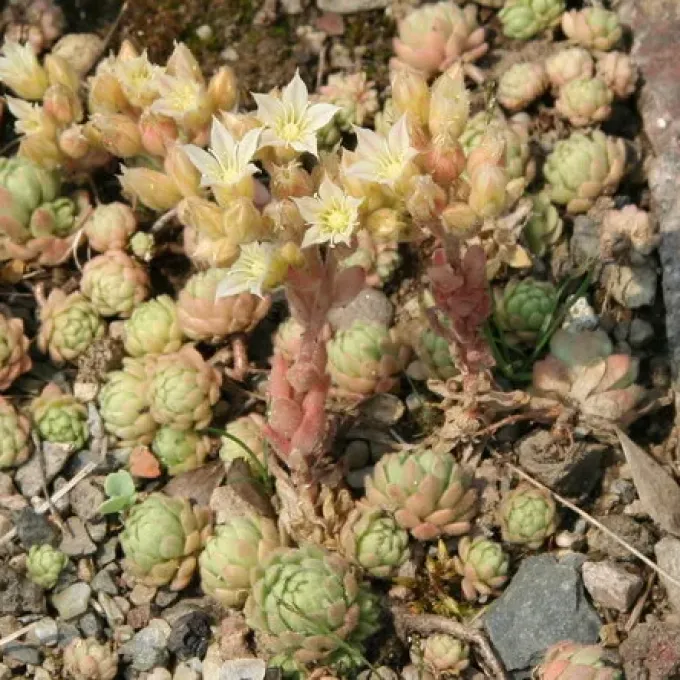
Description
Sowing dates
Sowing of Chaloupkaea chrysantha is carried out in early spring, once the soil has warmed up to 8–10 degrees Celsius. The middle of April is considered the optimal time for the start of field operations, allowing seeds to utilize moisture reserves after snowmelt.
The sowing depth is 2–3 centimeters, depending on the soil structure. If sown too deep, seedlings emerge unevenly, which critically affects the further development of the crop and can lead to thinning of the fields.
The recommended sowing pattern includes row spacing of 30–45 centimeters. This planting density ensures optimal nutrition for each plant and facilitates inter-row cultivation for effective weed management.
An important step is pre-sowing soil preparation, which involves rolling the soil to ensure better seed-to-soil contact. This significantly accelerates germination and increases field emergence under various conditions.
The seeding rate is calculated based on the quality of the seed material and the soil fertility of the field. On average, about 12–15 kilograms of high-quality seeds are required per hectare, ensuring a stand density of 40–50 plants per square meter.
Growing requirements
Chaloupkaea chrysantha places high demands on the illumination of the field and does not tolerate even brief shading. The crop prefers open, well-ventilated spaces, which promotes active photosynthesis and nutrient accumulation.
For normal plant development, fertile soils with a neutral or slightly acidic pH are required. The best results are achieved on light loams, which possess high aeration and the ability to retain moisture without the risk of waterlogging.
The crop requires moderate but regular watering during the active growing season. Critical growth phases, such as budding and flowering, require especially strict monitoring of soil moisture to prevent shedding of ovaries.
The plant responds well to the application of complex mineral fertilizers, especially during the vegetative mass formation phase. A balance of nitrogen, phosphorus, and potassium in the soil is key to forming a robust root system and stress resistance.
The temperature range during the active growth period should be between 18 and 25 degrees Celsius. Sudden temperature fluctuations or night frosts can cause a slowdown in metabolic processes and significantly reduce plant growth rates.
Yield
The yield of Chaloupkaea chrysantha directly depends on adherence to agrotechnical regulations and the climatic conditions of the cultivation region. With intensive farming technology, average yields range from 2–3 tons per hectare.
The biological features of the plant allow it to efficiently utilize solar radiation, which, with proper mineral nutrition, makes it possible to significantly increase the marketable output. High harvest quality is achieved through timely micronutrient application.
Field phytosanitary conditions have a significant impact on yield levels. Freedom from weeds in the first weeks of the crop's life ensures a lack of competition for resources, which lays the foundation for a full harvest.
Economic efficiency is ensured by the combination of stable yields and demand for the crop as specialized raw material. The use of modern harvesting methods minimizes losses and preserves the commercial appearance of the collected product.
Statistical data show that using irrigated plots can increase the yield of Chaloupkaea by 20–30% compared to rain-fed farming. This makes the crop promising for farms with well-established irrigation systems.
Main diseases and pests
Among the main diseases affecting Chaloupkaea chrysantha, fungal infections such as root rot and powdery mildew hold a prominent place. They develop primarily under conditions of excess humidity and poor air circulation within the canopy.
Pests that pose the greatest danger to this crop include various species of aphids and leaf-eating insects. They can spread quickly, damaging leaves and slowing the development of new shoots, which leads to weakened plant immunity.
- Preventive treatment of crops with broad-spectrum fungicides.
- Timely destruction of weeds that act as infection reservoirs.
- Adherence to crop rotation rules, excluding the same field for consecutive planting for at least three years.
- Monitoring pest numbers using traps during the period of mass insect flight.
To prevent disease spread, early diagnosis based on the first signs of chlorosis or leaf deformation is recommended. Prompt intervention using biological preparations allows for the containment of pathogens without environmental harm.
An integrated pest management system, combining agrotechnical, chemical, and biological methods, remains the most effective way to protect the harvest. Proper rotation of preparations prevents the development of resistance in harmful organisms.
Harvesting
Harvesting of Chaloupkaea chrysantha is carried out at the stage of technical maturity, when characteristic yellowing and drying of vegetative organs are observed. It is important to avoid over-ripening, as this can lead to seed shedding or reduced raw material value.
The optimal harvesting method is two-stage combining, allowing for careful collection and minimization of mechanical damage. First, mowing into windrows is performed, where the crop reaches the required condition over several days in dry weather.
After the material dries in windrows, gathering and threshing are carried out. The process must be completed before the rainy season begins to eliminate the risk of quality loss and mold infestation during storage.
Post-harvest processing includes cleaning the pile from impurities and drying until moisture levels reach 10–12%. Only adherence to these parameters ensures long-term seed storage and prevents spoilage in warehouses.
Proper logistical organization during the harvest period reduces the time from collection to primary processing. Product quality is directly dependent on the speed of drying and sorting stages immediately after arrival from the field.