
Castilleja tenuiflora
Castilleja tenuiflora
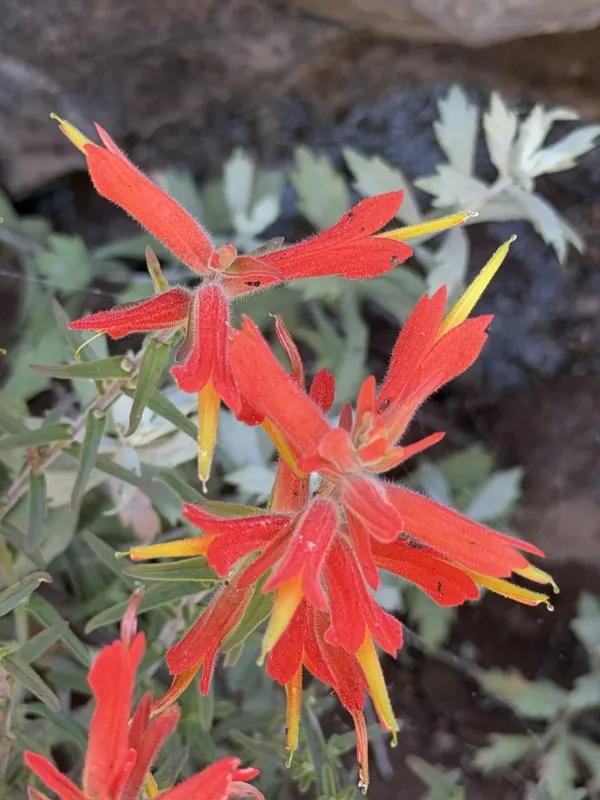
Description
Sowing dates
Castilleja tenuiflora, a member of the Orobanchaceae family, is a hemiparasitic plant that requires a specific host to thrive. Sowing should be carried out near compatible host plants, such as those from the Asteraceae or Poaceae families, to facilitate the establishment of haustorial connections.
The best time for sowing is early spring when soil temperatures allow for active seed germination. Seeds require adequate exposure to light, so they should be sown shallowly or pressed into the surface of the growing medium without being buried deeply.
Successful germination is only the first step; the seedling must quickly locate a suitable host root. Growers often sow seeds directly into pots or fields already inhabited by well-established host grasses or shrubs to ensure an immediate nutrient source for the developing hemiparasite.
Moisture management during the germination phase is critical. While the soil should be kept consistently moist, it must never be waterlogged, as this promotes the growth of pathogens that can kill the delicate seedlings before they attach to the host.
Density must be managed carefully to avoid overcrowding. Since the plant derives energy from its host, competition between multiple Castilleja specimens for the same host root system can be detrimental to their long-term health and flowering performance.
Growing requirements
As a native of dry Mexican environments, Castilleja tenuiflora demands high levels of direct sunlight. It is a heliophilous species that performs best in open areas where it can receive maximum daily light intensity, which is essential for developing its characteristic bract color.
The soil requirements are strict: the plant needs exceptionally well-drained, gritty, or sandy soil. Any accumulation of moisture around the root zone acts as a death sentence for the plant, leading to rapid root rot and systemic failure.
This species is well-adapted to arid conditions and shows remarkable resilience to periodic droughts. It requires little to no additional fertilization, as it scavenges nutrients directly from the host plant's vascular system, making it an ideal choice for low-maintenance, xeriscaped gardens.
The temperature range for optimal growth is moderate to warm. Extreme cold and frost can damage the developing stems, so planting should be scheduled for the frost-free season. Providing a wind-sheltered location helps maintain a stable microclimate around the foliage.
Soil aeration is vital for the health of both the parasite and its host. Using coarse minerals like volcanic rock or horticultural grit as a top dressing can prevent surface soil compaction and improve the overall longevity of the plant in a landscape or agricultural setting.
Main diseases and pests
The most common pests affecting Castilleja tenuiflora are sucking insects, such as aphids and spider mites, which congregate on the young, tender foliage and flower spikes. These pests can severely weaken the plant by extracting essential fluids, necessitating prompt monitoring.
Fungal diseases are a major concern, particularly root and crown rot triggered by high humidity or poor ventilation. Ensuring adequate spacing between plants is the most effective way to prevent the buildup of fungal spores and maintain a healthy, dry plant surface.
Nematodes represent a significant threat because they can target the sensitive haustoria where the plant connects to its host. Once the parasitic junction is compromised, the plant may lose its primary source of energy and gradually wither, often showing symptoms of nutrient deficiency.
Pest management should prioritize biological controls and mechanical removal over chemical intervention. Many systemic pesticides are absorbed by the host plant and transferred to the Castilleja, potentially causing toxicity issues for the parasite due to its specialized metabolism.
Maintaining the overall vitality of the host plant is the best defensive strategy. A robust, well-nourished host plant typically provides a better supply of nutrients and secondary defense compounds that can help the hemiparasite resist common garden pests and diseases throughout the season.