
Desert Indian Paintbrush
Castilleja angustifolia
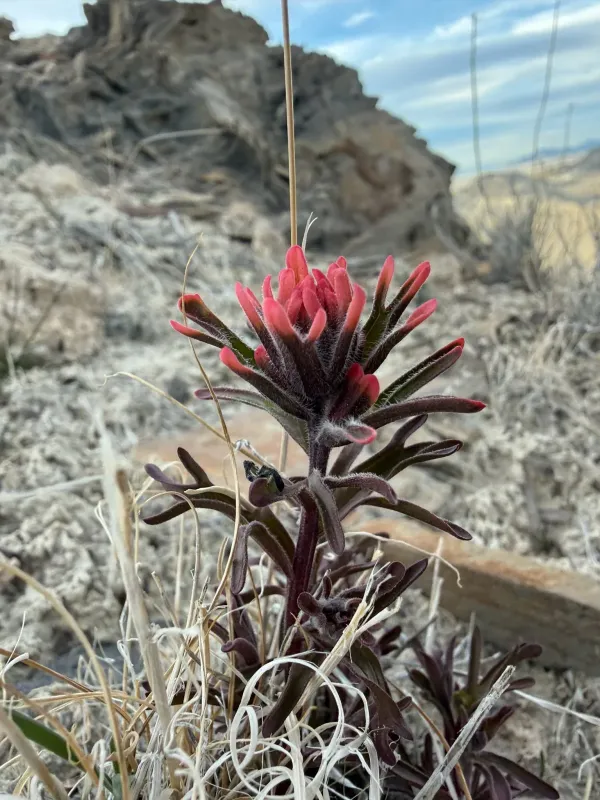
Description
Sowing dates
The Desert Indian Paintbrush (Castilleja angustifolia) is a hemiparasitic wildflower that relies on the roots of other plants to thrive. Successful sowing requires mimicking the natural cycles of the North American desert or grassland environments.
Seeds should be sown on the surface of the soil, as they require light to germinate effectively. Cold stratification is essential for breaking seed dormancy; placing seeds in moist soil in a cold environment for 4 to 8 weeks is highly recommended.
In a field setting, seeds are best sown in late fall to undergo natural winter chilling. It is crucial to sow them near potential host plants, such as perennial grasses or sagebrush, to ensure the seedlings can establish a parasitic connection early on.
When container gardening, avoid using nutrient-rich potting mixes. A lean, gritty soil composition is preferable to prevent the dominance of the host plant and to mimic the harsh, well-draining native habitat.
Consistency in moisture is required only until the seedling has successfully attached to its host. Once established, the plant becomes remarkably self-sufficient and requires minimal intervention.
Growing requirements
Castilleja angustifolia belongs to the Orobanchaceae family and thrives in full sun exposure. It is highly intolerant of shade and requires an open landscape to develop its characteristic vibrant bracts.
The ideal soil is sandy, rocky, or gravelly with excellent drainage. Stagnant moisture is the primary cause of failure, as the root systems of these plants are highly susceptible to decay in heavy, waterlogged soils.
Temperature tolerance is high, as the species is adapted to semi-arid regions with extreme heat. It does not require fertilizers; in fact, supplemental nitrogen often harms the plant by inducing weak growth.
The pH levels should ideally range from slightly acidic to slightly alkaline. Maintaining the natural balance of the soil is safer than attempting to adjust chemistry for rapid growth, which often leads to plant mortality.
Providing a symbiotic environment is the most important requirement for long-term survival. Without a suitable host plant to draw nutrients from, the Indian Paintbrush will fail to reach full maturity.
Main diseases and pests
Fungal pathogens, particularly root rot, are the most significant threats to Castilleja angustifolia. These issues are almost exclusively linked to poor drainage and high humidity levels during the growing season.
Pests such as aphids and certain lepidopteran larvae can cause damage to the colorful bracts and leaves. Monitoring the infestation early is vital to prevent permanent damage to the reproductive structures of the plant.
Powdery mildew can appear if the plants are placed in areas with poor airflow or if there is excessive moisture in the surrounding microclimate. Improving spacing is the most effective cultural control measure.
Because the plant is hemiparasitic, heavy chemical treatments can negatively impact both the Castilleja and its host plant. Integrated pest management should prioritize manual removal and environmental control.
Maintaining a dry, sunny environment is the best defense against both pests and diseases. If a plant appears consistently weak, it may indicate a failure in the parasitic connection to the host.
Harvesting
Harvesting for seed production should be timed carefully as the bracts fade and the seed capsules turn brown. Seeds are extremely small and can be lost quickly if capsules split open prematurely.
Cut the seed stalks when they are fully matured but before the capsules naturally dehisce. Use paper bags to collect the seeds, allowing for proper airflow during the drying process.
Seeds should be cleaned of debris and stored in a cool, dry place until the next sowing season. Proper storage preserves viability for the necessary stratification period required for the following year.
Avoid harvesting from wild populations unless permitted, as these plants play a vital role in their native ecosystems. Domestic cultivation remains the preferred method for obtaining seed stock.
After the harvest, the remaining stems can be pruned back, although the plant will likely go dormant in the late summer or autumn as part of its natural life cycle.