
Indian paintbrush
Castilleja coccinea
Description
Sowing dates
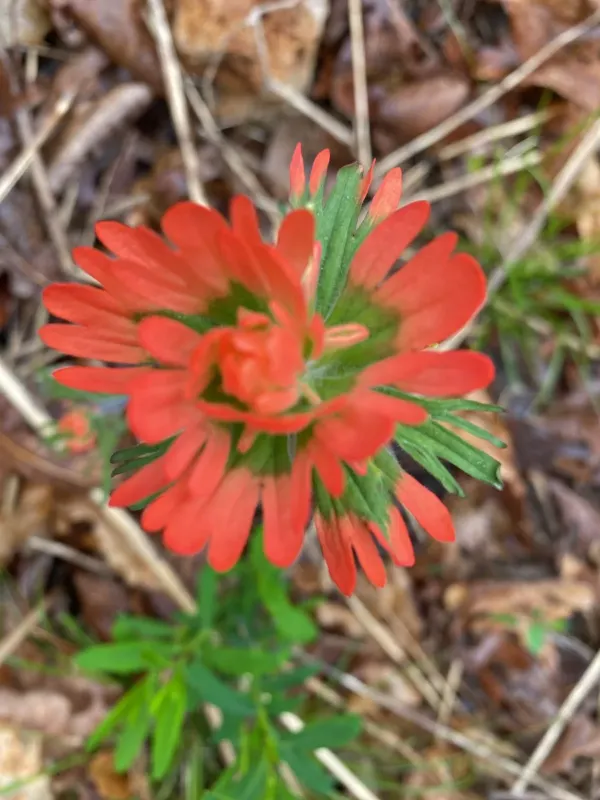
Castilleja coccinea, a member of the Orobanchaceae family, is a unique plant known for its vibrant red bracts that are often mistaken for flower petals.
The seeds of this species require a cold stratification period to germinate, making late autumn the ideal time for sowing directly into the garden soil.
When sowing, it is crucial to place seeds near the roots of perennial grasses, which serve as host plants for the hemiparasitic seedling to survive.
Because the seeds are extremely small, they should be barely covered with soil to ensure that they receive enough light to trigger the germination process.
Artificial stratification can be achieved by placing seeds in a damp paper towel within a sealed bag in the refrigerator for at least two months before planting.
Growing requirements
Indian paintbrush thrives in sunny locations where it can receive direct light for most of the day, ensuring high pigment development in the bracts.
The soil must be well-draining and lean; heavy or overly fertilized soils can negatively impact the plant's symbiotic relationship with its host.
A balanced pH level ranging from slightly acidic to neutral is preferred for mimicking its natural prairie and meadow habitats effectively.
Watering should be managed carefully, keeping the soil moist but never waterlogged to prevent the development of root rot in the hemiparasitic root system.
Since the plant does not transplant well, direct seeding is the only recommended method to establish a healthy population in a landscape or agricultural plot.
Main diseases and pests
The primary threat to the health of Castilleja coccinea is the lack of a suitable host plant, which effectively leads to the starvation of the seedling.
Overwatering can lead to fungal infections and root rot, which are the most common causes of death in poorly drained garden environments.
While generally resistant to many insects, aphids may occasionally attack the flower stalks during periods of prolonged drought or heat stress.
Weed competition is a significant challenge; aggressive weeds can block the sunlight required by the plant and deplete necessary soil resources.
Insects such as snails and slugs can cause significant damage to young, tender shoots during the spring season if not monitored and managed properly.