
Castilleja fissifolia
Castilleja fissifolia
Description
Growing requirements
Castilleja fissifolia is a fascinating member of the Orobanchaceae family, commonly known as paintbrush plants. It is a perennial herb characterized by a hemiparasitic nature, meaning it requires a host plant to thrive, attaching its roots to those of neighboring species to supplement its nutrient intake.
This species is native to the high-altitude regions of the Andes, where it flourishes in rocky alpine meadows and steep slopes. Its evolution in harsh, high-mountain climates has endowed it with high resistance to ultraviolet radiation and fluctuating temperatures.
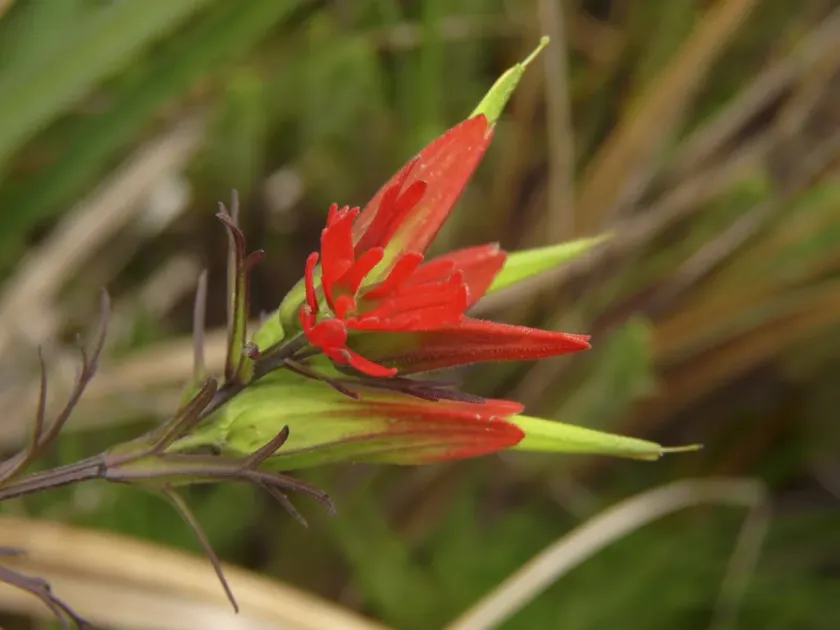
Botanically, the plant is distinguished by its vibrant, bract-covered inflorescences. The true flowers are relatively small and inconspicuous, protected by the colorful, often serrated bracts that serve to attract local pollinators such as hummingbirds and bees.
Successful cultivation requires meticulous attention to soil structure. The plant necessitates extremely well-drained, porous soil, as root suffocation from waterlogging is the primary cause of plant failure in artificial environments.
In ornamental horticulture, Castilleja fissifolia is treated as a specialized specimen. It is typically grown in rock gardens, provided that the grower can maintain the symbiosis with a suitable host plant to support the Castilleja's nutritional requirements throughout the growing season.
Main diseases and pests
Root rot remains the most critical threat to the survival of Castilleja fissifolia. This condition is triggered by excessive irrigation or a potting medium that retains too much moisture, preventing the roots from accessing sufficient oxygen.
Fungal pathogens causing leaf spots and stem blight can become a serious problem during periods of high humidity and poor ventilation. These diseases often emerge when plants are crowded together, preventing effective air circulation.
Insect pests such as aphids and spider mites may infest the plant during the warmer months. These pests suck the sap from the succulent parts of the stems, leading to stunted growth and reduced vigor in the inflorescences.
Soil-dwelling larvae can pose a risk to the root system, especially during the seedling stage. Infestations often go unnoticed until the plant shows signs of sudden wilting, which is a symptom of severe root damage.
To prevent these threats, growers should prioritize environmental control over chemical interventions. Implementing a grit-based top-dressing and ensuring that the plant-host association is stable are the best defenses against environmental and biotic stressors.