
Downy painted-cup
Castilleja sessiliflora
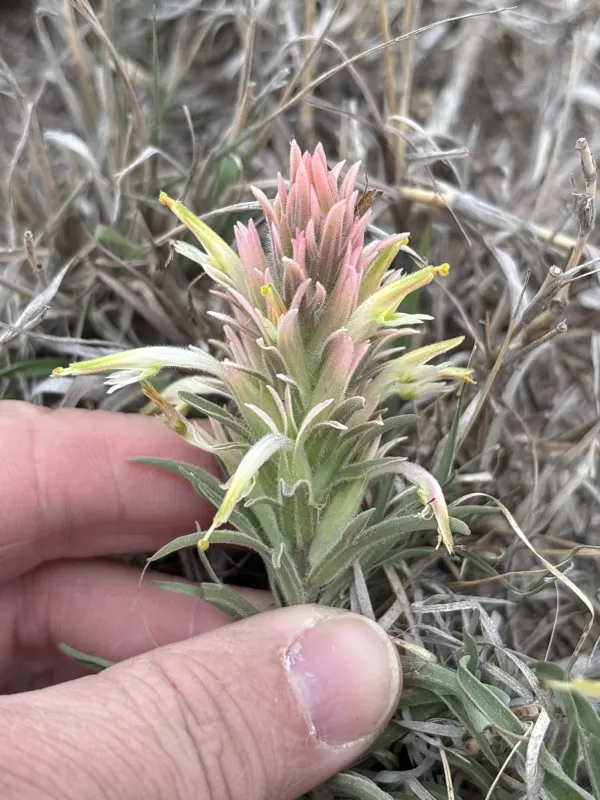
Description
Growing requirements
Castilleja sessiliflora, commonly known as the downy painted-cup, is a herbaceous perennial belonging to the Orobanchaceae family. It is distinct in its biology as a root-hemiparasite, relying on the roots of other plants to supplement its water and nutrient uptake.
Cultivation of this species requires well-drained, sandy, or rocky soils that mirror its native habitat of the North American prairies. Drainage is paramount, as moisture accumulation in the root zone quickly becomes fatal for this plant.
The plant thrives in full sun exposures where it receives maximum light throughout the growing season. Adequate sunlight is essential not only for plant growth but also for maintaining the vibrant coloration of the floral bracts.
Agronomic management must prioritize the establishment of a symbiotic relationship with a host plant. Successful cultivation involves sowing seeds alongside appropriate hosts, typically perennial grasses or specific native wildflowers, to facilitate haustorial attachment.
Morphologically, the plant is characterized by its pubescent stems and linear leaves. The true flowers are relatively small and greenish, but they are enclosed by showy bracts that serve to attract specific pollinators, primarily bumblebees and hummingbirds.
Main diseases and pests
The primary threats to this culture are soil-borne pathogens, specifically fungal diseases caused by excessive moisture or lack of proper soil aeration. Maintaining a dry, airy root environment is the most effective preventative measure.
Insects such as caterpillars and aphids can cause localized damage to the bracts and foliage. Because the plant relies on a host, any decline in the health of the companion plant directly translates into a threat for the Castilleja.
Competition from aggressive, non-native weeds poses a severe threat, as these can easily shade out the downy painted-cup and deprive it of the resources needed to support its semi-parasitic growth habit.
Overgrazing and soil compaction by livestock are significant environmental threats that destroy the fragile root networks of both the host and the parasite. Conservation of natural prairie habitat is essential for sustaining populations.
There are no commercially available pesticides specifically labeled for this species, requiring a management approach centered on ecological balance, natural biological controls, and careful site selection for planting.