
Splitleaf Indian Paintbrush
Castilleja rhexifolia
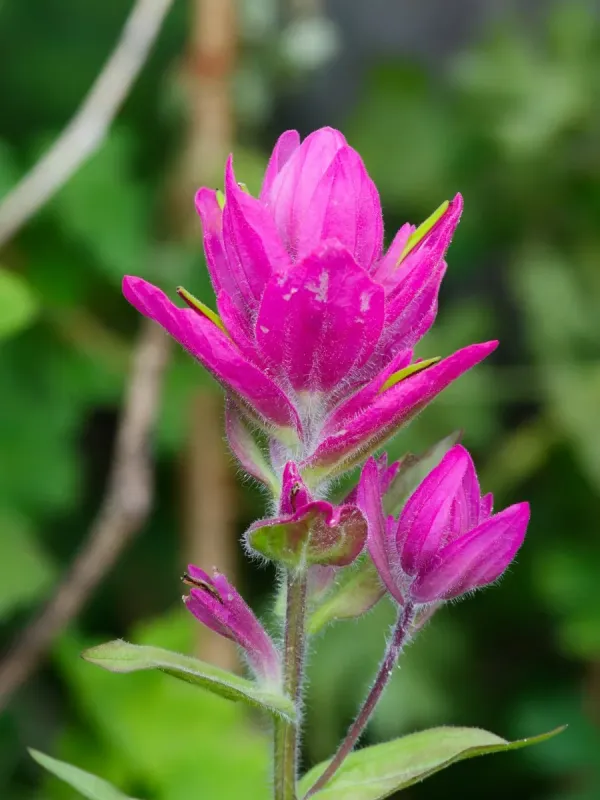
Description
Growing requirements
Castilleja rhexifolia, commonly known as Splitleaf Indian Paintbrush, belongs to the Orobanchaceae family. It is a perennial hemiparasitic plant that requires a connection to the roots of a host plant to obtain water and nutrients for its successful survival.
The native range of this species is primarily the alpine and subalpine zones of North America. It is perfectly adapted to cold, mountainous environments and requires specific thermal conditions to complete its vegetative cycle effectively.
Regarding soil requirements, this plant demands well-drained, porous soils that prevent root rot. It thrives in soils that mimic rocky alpine substrates, meaning that heavy, clay-rich environments are generally unsuitable for its development.
The plant performs best under full sun conditions, which is crucial for the development of its signature colorful bracts. While it is hardy, the plant requires consistent moisture during the growing season without allowing for waterlogged soil conditions.
In terms of horticulture, it is rarely cultivated as a commercial crop but serves as a focal point in specialized rock gardens or native plant displays. Its unique lifestyle requires the presence of compatible host plants to maintain long-term vitality.
Main diseases and pests
Fungal diseases are the primary threat to the Splitleaf Indian Paintbrush, particularly in gardens with poor air circulation or overly wet conditions. Root rot caused by phytophthora or pythium species can destroy the plant rapidly.
Common pests include aphids and spider mites, which feed on the sap of the plant. These pests can significantly reduce the ornamental value of the bracts and, if left untreated, cause severe stunting of the overall plant structure.
Powdery mildew represents another common concern, especially during late summer when humidity levels fluctuate. Regular inspection of the foliage is necessary to detect signs of early infection and implement corrective measures.
Another major challenge is the ecological dependency; if the host plant declines or is outcompeted, the Castilleja rhexifolia will inevitably suffer. Maintaining the health of the entire plant community is the best protection strategy.
Cultural stress, such as sudden changes in temperature or prolonged drought, can leave the plants susceptible to secondary infections. Always ensure that the symbiotic relationship between the Castilleja and its host is not disrupted by chemical fertilizers or harsh pesticides.