
Castilleja nubigena
Castilleja nubigena
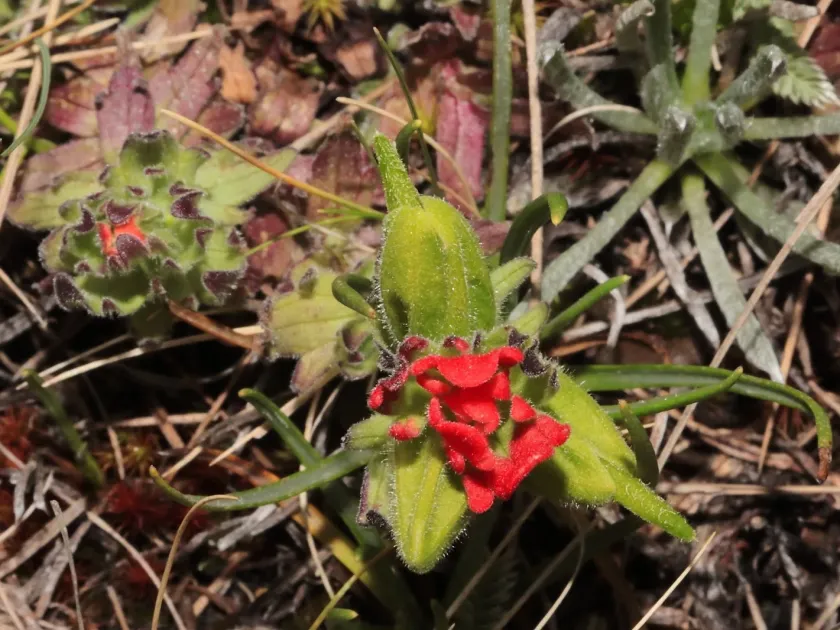
Description
Growing requirements
Castilleja nubigena is a perennial species belonging to the Orobanchaceae family. As a hemiparasitic plant, it is physiologically dependent on host plant roots to supplement its nutritional uptake, making its cultivation a complex task.
The species originates from the high-altitude Andean ecosystems, where it thrives in cool, moist, and well-aerated environments. Its natural habitat is defined by rocky soils and high solar radiation levels common at high elevations.
For successful growth, it requires a substrate that mimics its native environment: high mineral content, excellent drainage, and very low organic matter. Standard gardening fertilizers are often detrimental to the plant's health.
Climate control is paramount. The species requires consistent cool temperatures and high atmospheric humidity. Extreme heat or prolonged drought can quickly lead to plant dormancy or death in cultivation environments.
Successful cultivation requires the presence of specific companion plants (hosts). The root system of Castilleja nubigena must establish physical contact with host roots to achieve successful nutrient transfer and full development.
Main diseases and pests
Fungal pathogens represent the most significant threat to the survival of Castilleja nubigena, particularly in greenhouse settings with stagnant air.
Root rot, induced by poor drainage or excessive irrigation, is the primary cause of plant failure, as the root system is highly sensitive to hypoxia.
Aphids and mites often colonize the tender bracts and stems. Given the plant's delicate metabolic nature, heavy chemical control can cause phytotoxicity.
Soil-borne nematodes can disrupt the vital connection between the hemiparasite and its host, leading to a gradual decline in the plant's vigor.
Slugs and snails can cause severe physical damage, especially to young seedlings, necessitating constant monitoring and effective pest management protocols.