
Castilleja minor
Castilleja minor
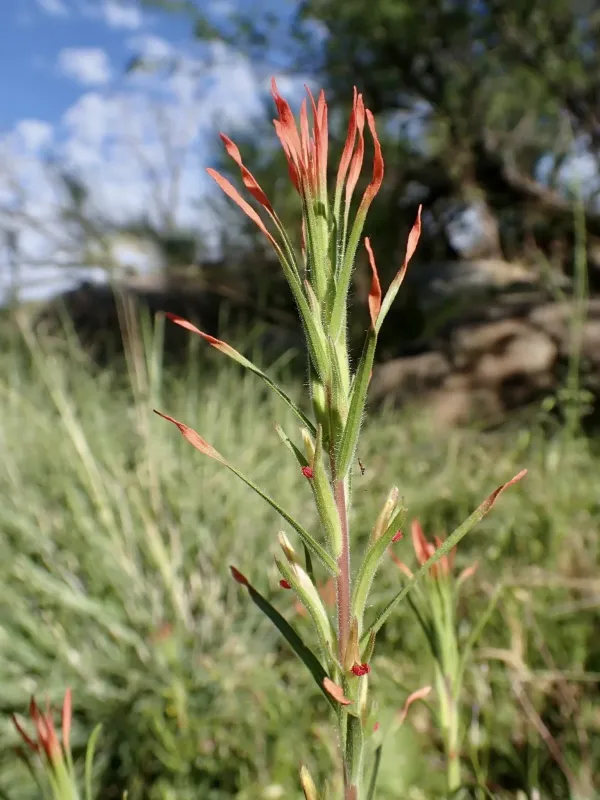
Description
Growing requirements
Castilleja minor, commonly known as the small-flowered paintbrush, is an annual herbaceous plant belonging to the Orobanchaceae family. This species is recognized for its hemiparasitic nature, which allows it to thrive in nutrient-poor environments by attaching to the roots of host plants.
The native distribution of Castilleja minor is primarily within North America, specifically in saline marshes, wetlands, and moist meadows. It is highly adapted to damp conditions where water availability is consistent throughout the growing season.
Botanically, the plant features specialized structures known as haustoria. These organs penetrate the roots of surrounding plants to siphon nutrients and water, making the presence of compatible host species, such as specific grasses or sedges, essential for its survival.
Regarding cultivation requirements, the plant demands high soil moisture and exposure to full sun. It does not perform well in cultivated fields due to the complexity of maintaining the necessary symbiotic associations with its hosts in an agricultural environment.
Economically, this species is not considered a traditional crop. Its value lies mainly in its role as a botanical indicator for the health of wetland ecosystems and as a subject of botanical research regarding the evolution of plant parasitism.
Main diseases and pests
The primary threat to Castilleja minor populations is habitat destruction, specifically through land drainage and the alteration of salt marsh hydrology. Once the soil moisture level drops, the plant cannot sustain its parasitic connection, leading to local extinction.
While general root diseases can affect the plant in stagnant water conditions, there are no significant agricultural pests associated with this species. Its population stability is almost entirely dependent on the preservation of the native wetland ecosystem.