
Martin's Paintbrush
Castilleja martini
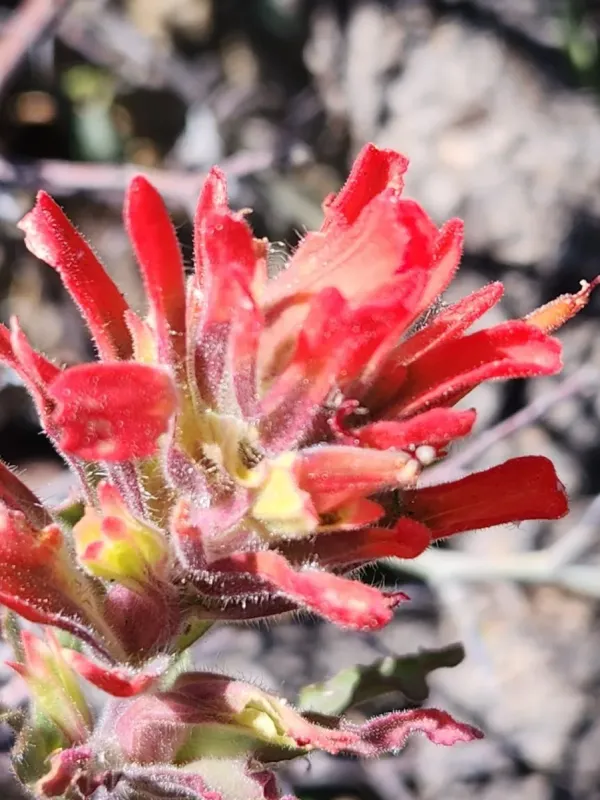
Description
Growing requirements
Martin's Paintbrush (Castilleja martini) is a perennial herbaceous plant belonging to the Orobanchaceae family. It is native to the western regions of North America, where it thrives in rocky, open habitats and well-drained mountain slopes.
The defining characteristic of this plant is its semi-parasitic lifestyle. It develops root structures that attach to the roots of nearby host plants to supplement its own water and nutrient intake, a strategy that allows it to flourish in nutrient-poor environments.
Botanically, the species is recognized by its vibrant, colorful bracts that often overshadow the true flowers. These bracts serve as highly visible signals to pollinators, which is an essential adaptation for survival in the diverse and often sparse high-altitude landscapes.
In terms of cultivation, Martin's Paintbrush requires very specific soil conditions. It prefers gritty, mineral-based soils with excellent drainage, making it unsuitable for standard, nutrient-rich garden soil. Careful site selection is necessary to ensure long-term success.
Climatic requirements focus on full sun exposure and dry conditions. The plant is highly sensitive to excessive humidity and stagnant water, so site preparation must prioritize aeration and rapid moisture runoff to prevent physiological stress or rot.
Main diseases and pests
The primary threat to Castilleja martini is root rot caused by soil-borne pathogens. Overwatering or poorly drained environments create perfect conditions for fungal attacks, which can rapidly compromise the health of the entire plant system.
Common pests include aphids and mites, which may infest the foliage during periods of low vigor. Maintaining the plant's health through optimal placement and avoiding over-fertilization are the best strategies to reduce susceptibility to these common horticultural pests.