
Coast Indian paintbrush
Castilleja latifolia
Description
Growing requirements
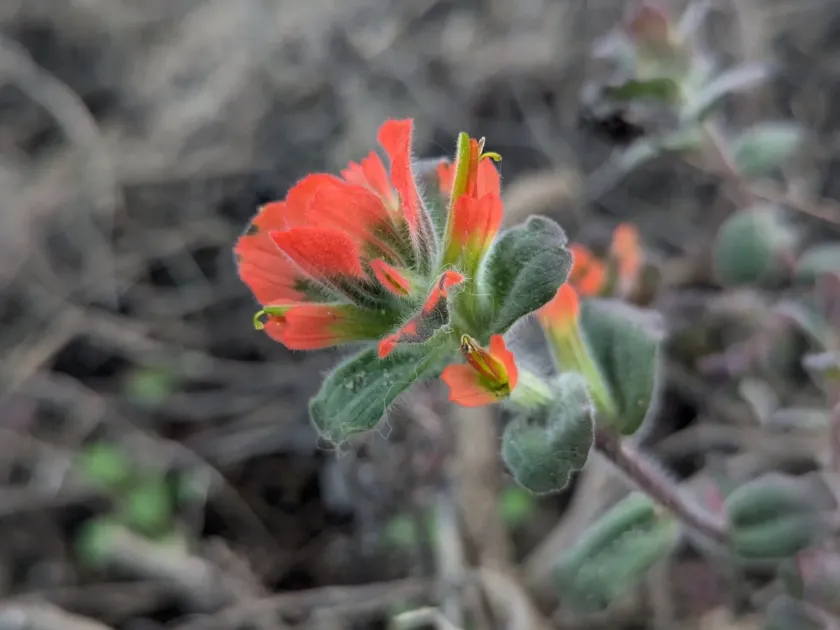
Coast Indian paintbrush (Castilleja latifolia) is a herbaceous perennial plant belonging to the Orobanchaceae family. It is distinct for its hemiparasitic nature, meaning it derives part of its nutrients from the roots of nearby host plants.
The native habitat of this species is restricted to the coastal dunes and scrublands of California. These environments are characterized by well-drained, sandy soils and direct sunlight, which the plant requires for healthy development in a cultivation setting.
Growing this species successfully requires a specialized approach, primarily focusing on establishing a compatible host plant relationship. It is typically sown in close proximity to native grasses or shrubs to allow its roots to establish connections.
Climate requirements for Castilleja latifolia include a preference for cool, maritime conditions with moderate temperatures. It does not tolerate prolonged frost or extreme heat, which can stress the plant and reduce its aesthetic value.
The cultural use of this plant is strictly ornamental, often utilized in wildflower gardens and restoration projects. Its vibrant, colorful bracts provide significant visual appeal and serve as a vital resource for local pollinators.
Main diseases and pests
The most significant threat to the crop is root rot, primarily driven by waterlogged soil conditions. Proper drainage is essential, as the plant's root system is adapted to sandy, rapidly draining environments rather than wet, heavy soil.
Pests such as aphids and spider mites can occasionally affect the foliage and showy bracts. Regular monitoring during the growth season is crucial to detect outbreaks before they cause significant structural damage to the plant.
Fungal pathogens may emerge if air circulation is inadequate. Dense planting or high humidity environments create favorable conditions for disease proliferation, potentially leading to wilting and decay.
The health of Castilleja latifolia is intrinsically linked to its host plant. If the host becomes weak or diseased, the parasite will subsequently suffer, making holistic garden care a fundamental practice for success.
Chemical intervention should be minimized to protect pollinator populations attracted to the blossoms. Instead, rely on cultural control methods and careful site selection to maintain a healthy and vigorous growing environment.