
Bulbine vittatifolia
Bulbine vittatifolia
Description
Growing requirements
Bulbine vittatifolia is a perennial succulent belonging to the Asphodelaceae family. Originating from the arid regions of Southern Africa, it has evolved specific physiological adaptations to thrive in harsh environments with limited water availability.
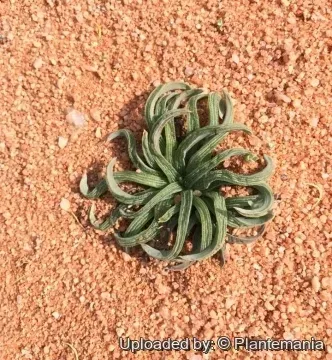
The plant features distinct strap-like leaves arranged in a rosette, which store water efficiently. This succulent structure allows the plant to survive extended drought, making it an excellent candidate for xeriscaping and sustainable agriculture in arid zones.
Agricultural success depends on providing a well-draining, sandy, or rocky soil mixture. The plant's root system is highly sensitive to moisture accumulation, which can lead to rapid decay if the soil structure is too dense or waterlogged.
Optimal growth requires high light exposure, as the species is heliophilic. Placing the plant in a shaded area will weaken its structure and reduce its ability to produce the beneficial compounds for which it is cultivated.
The economic value of this crop lies in its pharmaceutical and cosmetic applications. Its gel-like sap is known for potent healing properties, prompting interest in its industrial cultivation as a source of medicinal raw materials.
Main diseases and pests
Fungal diseases, particularly root and crown rot, are the most significant threats to Bulbine vittatifolia. These infections are typically linked to overwatering or poor ventilation within the growing environment.
Pests such as mealybugs and spider mites frequently affect the crop. These organisms colonize the leaf bases and surfaces, causing stunting and chlorosis if not managed through immediate intervention or biological control agents.
Integrated pest management protocols are recommended to control infestations. Regular inspections are essential to ensure the early detection of pests, as rapid population growth can occur under hot, dry conditions.
Cultural control, such as strict adherence to irrigation schedules, is the most effective preventative measure. Ensuring a dry environment for the foliage prevents the germination of fungal spores on the plant surface.
Maintaining the hygiene of the cultivation area is crucial to prevent the spread of diseases between individual plants. Removing diseased tissue quickly is essential to protect the integrity of the remaining crop stand.