
Bulbine bruynsii
Bulbine bruynsii
Description
Growing requirements
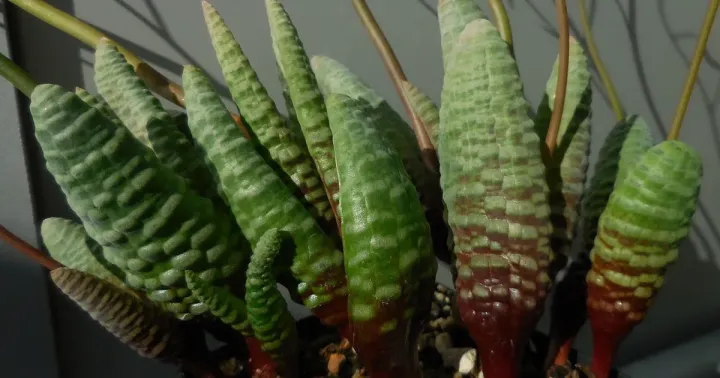
Bulbine bruynsii is a rare succulent species belonging to the Asphodelaceae family, native to the arid landscapes of South Africa. It is a highly specialized plant adapted to extreme drought and intensive sunlight exposure.
Botanically, it is classified as a dwarf geophytic succulent. Its morphology features fleshy, succulent leaves that are partially buried in the substrate to minimize water loss, making it a distinct specimen for any succulent collection.
To cultivate this species successfully, a highly porous, mineral-based soil mix is required. A substrate consisting of coarse sand, pumice, and grit is ideal to mimic the natural soil conditions of its native habitat and ensure proper drainage.
Climate requirements include high light intensity but protection from the scorching midday sun, which can cause leaf scarring. Proper air circulation is mandatory to prevent heat buildup around the plant base during summer months.
In terms of хозяйственного usage, this plant is primarily valued in the ornamental sector. It is considered a specialty crop for botanical gardens and enthusiasts focusing on rare, high-altitude or arid-zone succulents.
Main diseases and pests
The primary threat to the health of this succulent is overwatering, which quickly leads to root rot and collar decay. Watering should only occur when the substrate has completely dried out and the plant shows signs of activity.
Pests such as mealybugs, particularly root-bound populations, pose a significant challenge. These insects thrive in the root zone and are difficult to eradicate once a population has established itself.
Fungal pathogens represent a risk in environments with high humidity and poor ventilation. Keeping the plant crown dry during watering is a fundamental practice to prevent bacterial infections and rotting.
Environmental stress, such as sudden shifts in temperature or light, can lead to plant decline. Maintaining a stable environment is crucial, especially during the transition periods between the growth and dormancy seasons.
Chemical control should be approached with caution. Many standard pesticides can be phytotoxic to the delicate leaves of Bulbine species, so systemic treatments or biological controls are generally preferred.