
Bulbine fallax
Bulbine fallax
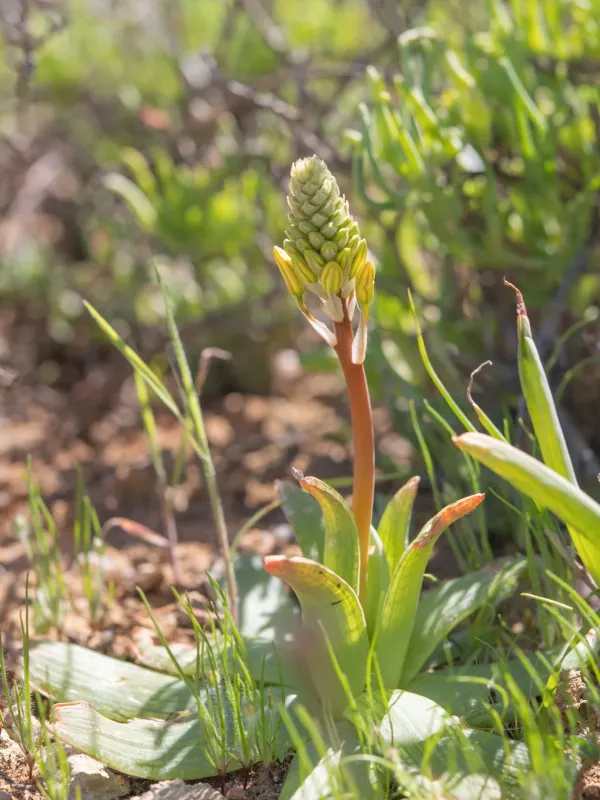
Description
Sowing dates
Bulbine fallax belongs to the Asphodelaceae family. As a specialized perennial succulent, its propagation is primarily conducted through seeds under controlled environmental conditions.
The optimal sowing time is early spring, which allows seedlings to leverage the increasing day length and temperature necessary for steady early-stage growth.
Seeds should be sown in a well-draining, loose, mineral-rich substrate. Surface sowing is recommended, as covering seeds too deeply often inhibits germination due to oxygen deprivation.
Germination typically occurs within two to three weeks if temperatures are maintained steadily between 20°C and 22°C. Consistent moisture is required, but without waterlogging.
Once true leaves develop, seedlings require transplanting into individual containers. This process ensures better root development and prepares the plants for their mature life cycle.
Growing requirements
Native to arid regions, Bulbine fallax is a true xerophyte. It demands intense, direct sunlight to maintain its structural integrity and produce the necessary secondary metabolites.
The soil must be sandy or stony, providing excellent drainage. A high percentage of inorganic material in the substrate is essential for preventing root-related physiological issues.
Watering requirements are low. Growers should strictly observe the "dry-out" rule, providing water only when the substrate is entirely desiccated to simulate natural rainfall patterns.
The plant thrives in warm climates and does not tolerate freezing temperatures. In non-native zones, indoor cultivation or greenhouse management is strictly required throughout the year.
Proper air circulation is critical. Stagnant air in high-density planting can lead to fungal infections, thus ventilation must be consistent, especially during peak growth months.
Main diseases and pests
Root rot is the most significant agronomic threat. It is almost exclusively caused by over-irrigation or soil substrates that retain moisture for too long, killing root hairs.
Spider mites are a persistent pest, particularly in the low-humidity environments favoured by Bulbine fallax. Regular inspection is necessary to mitigate infestations.
Mealybugs are also problematic, as they nest in the leaf axils. Early detection and manual removal or application of specialized control agents can prevent significant crop loss.
Implementing strict sanitation protocols for all agricultural tools is essential to prevent the spread of soil-borne pathogens across the planting beds.
If the plant shows yellowing or softening of the leaf base, immediate reduction in humidity and watering is the primary recovery strategy recommended for sustainable cultivation.
Harvesting
The economic value of Bulbine fallax lies in its utility within the pharmaceutical and skincare industries, which utilize the leaf extract for its beneficial chemical profile.
Harvesting should occur during the peak of the growing season when leaf biomass is highest and the chemical concentration of active compounds is at its zenith.
Plants are harvested by removing mature leaves while ensuring the base remains intact for potential re-growth. Immediate post-harvest drying is required to prevent rotting.
Drying is performed in shaded, airy conditions at temperatures below 35°C to protect delicate phytoconstituents from thermal degradation.
Final storage involves airtight, light-proof containers. This ensures the raw material maintains its shelf life and biological efficacy for further extraction processes.