
Bulbine capitata
Bulbine capitata
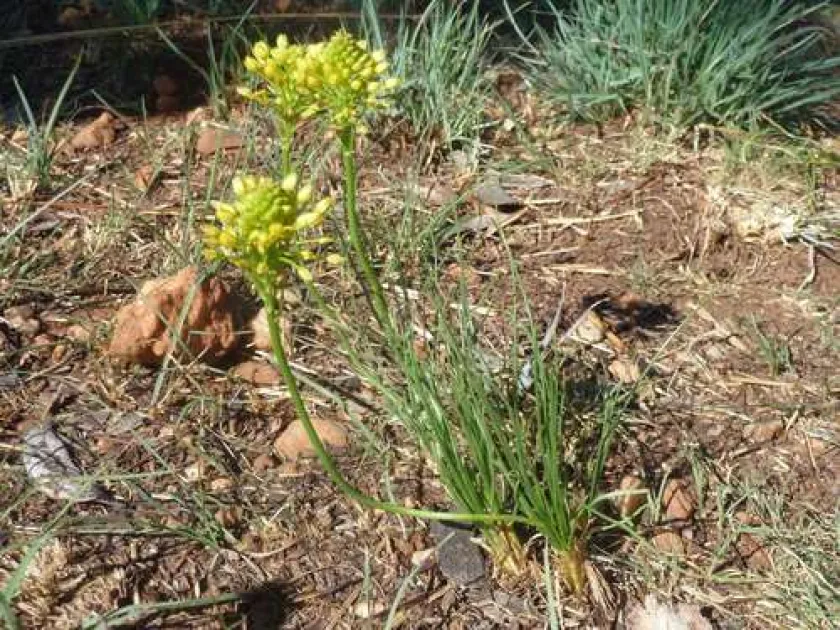
Description
Sowing dates
Sowing Bulbine capitata seeds is best done in early spring to take advantage of increasing daylight hours. The seeds require stable temperatures of 20–22°C for successful germination.
The seeds should be sown on top of a light, well-draining succulent mix. It is advisable to cover them lightly with a thin layer of sand or vermiculite to help maintain surface moisture.
Consistent humidity is crucial during the initial germination stage, but the substrate should never become waterlogged. A misting spray is recommended for hydration to avoid washing away the seeds.
Seedlings should be moved to individual pots once they reach a size where they are easy to handle. Gentle handling is essential to avoid damaging the developing root system.
Vegetative propagation via division is another viable method for growing this species. This is often preferred by gardeners to ensure the new plants are identical to the parent.
Growing requirements
Bulbine capitata is a member of the Asphodelaceae family, native to the arid regions of Southern Africa. It is a highly drought-tolerant succulent adapted to intense sun and rocky soils.
Full sun is necessary for the plant to maintain its compact form and vibrant leaf color. Placing the plant in a location with at least 6–8 hours of direct light is recommended for indoor or outdoor cultivation.
The soil must be extremely porous to ensure that water drains away from the roots quickly. A standard cactus and succulent potting mix supplemented with perlite or pumice works effectively.
Watering should be deep but infrequent, following the "soak and dry" method. It is safer to underwater than to overwater, as the plant can store moisture in its fleshy leaves.
Fertilization should be kept to a minimum, typically using a balanced liquid fertilizer diluted to half strength during the peak growing season of spring and summer.
Main diseases and pests
Root rot is the most serious threat to Bulbine capitata, almost always caused by overwatering or poor soil drainage. Signs include yellowing leaves and a softening of the stem base.
Mealybugs are common pests that hide in the tight spaces between leaves. Regular monitoring of the crown of the plant helps in early detection and mechanical removal.
Spider mites may infest the plants if the ambient air is too dry and stagnant. Maintaining good air circulation is a simple and effective preventative measure against these pests.
Fungal infections can develop if water is allowed to sit on the leaves or the stem base. Always apply water directly to the soil, avoiding the plant's central rosette.
Pest management should prioritize biological controls or insecticidal soaps before resorting to harsh chemicals, which the plant might find phytotoxic.
Harvesting
The harvesting of Bulbine capitata is primarily focused on its succulent leaves for therapeutic use. Leaves should be harvested selectively, taking care not to weaken the parent plant.
For fresh use, only the required amount of leaf material is harvested by making a clean cut at the base of the leaf. The sap is then extracted directly from the leaf tissues.
Drying the leaves for future use requires a cool, dry, and shaded area. Proper air circulation during the drying process prevents mold and retains the potency of the plant's compounds.
Seed harvesting should be performed once the pods have dried and started to crack open. The collected seeds should be cleaned and stored in paper envelopes to ensure they remain dry.
Proper harvesting techniques ensure that the plant continues to produce new leaves throughout the season, maintaining its medicinal value and aesthetic appeal.