
Bulbine bulbosa
Bulbine bulbosa
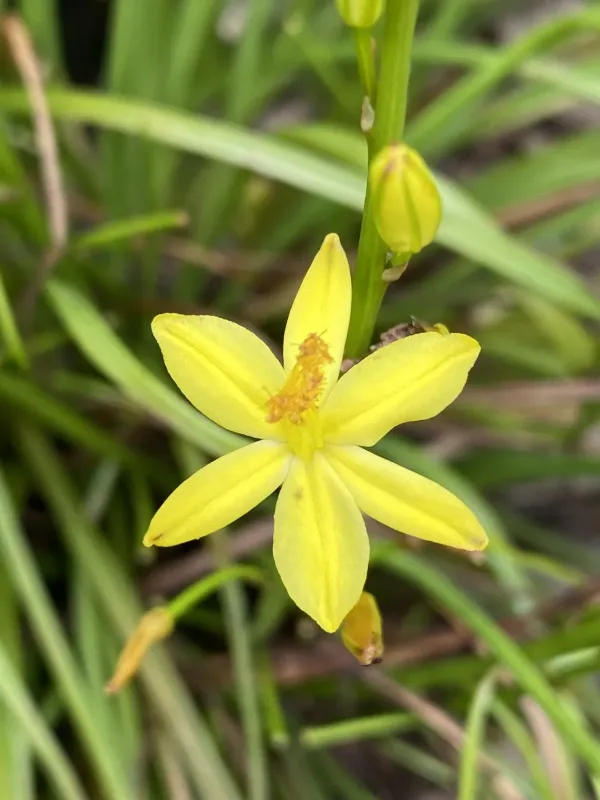
Description
Sowing dates
Bulbine bulbosa, commonly known as the bulbine lily, is typically propagated via seeds or by dividing the clumps of fleshy roots. Sowing is best performed in early spring using a free-draining, sandy-based propagation mix kept in a warm, sheltered location.
Seeds are sown thinly and lightly covered with substrate to allow sufficient light access for germination. Maintaining consistent moisture levels without over-saturating the soil is crucial for successful seedling development during the first weeks.
Transplanting into garden beds should only occur after the danger of frost has passed, as young plants are susceptible to cold damage. Providing a sheltered spot during the initial growth phase significantly improves establishment rates.
Division of the mature root system is a highly effective method for commercial propagation. This process involves lifting the plant during its dormant period, carefully separating the bulbous structures, and replanting them in a prepared site.
Regardless of the method, proper spacing is essential to ensure adequate airflow and prevent overcrowding. Planting individual sets about 20 centimeters apart allows each plant enough room to develop its characteristic rosette of succulent leaves.
Growing requirements
Bulbine bulbosa belongs to the Asphodeloideae family and is a native of Australian grasslands and open woodlands. It thrives in environments that receive full to partial sun, which promotes the growth of its iconic yellow, star-shaped inflorescences.
Soil requirements are relatively specific; the species demands excellent drainage to mimic its natural habitat. Soils that become waterlogged will inevitably lead to root and bulb rot, severely compromising the health of the plant.
While tolerant of nutrient-poor soils, the plant benefits from a light application of slow-release fertilizer at the start of the growing season. High-nitrogen fertilizers should be avoided as they may cause excessive leaf growth.
The species demonstrates good drought resistance once established, thanks to its specialized root system that stores moisture. Nevertheless, regular watering during the spring flowering season will significantly extend the decorative life of the stalks.
Regarding climate, Bulbine bulbosa is adapted to regions with mild winters. In areas prone to heavy frost, plants should be provided with protective mulch or moved to protected environments to prevent subterranean damage.
Main diseases and pests
Root rot is the primary physiological threat to the species, particularly in regions with heavy, clay-based soils that hold excessive moisture. Proper soil preparation and the inclusion of grit or sand are essential deterrents.
Gastropods, such as snails and slugs, are frequent pests during the early growing season. These pests can rapidly defoliate the soft, succulent foliage, necessitating the use of traps or physical barriers to protect the younger plants.
Aphids can occasionally cluster on the flower spikes during warm, dry weather. If left unchecked, these insects can weaken the plant and transmit viral diseases, necessitating the use of targeted insecticidal soaps or oils.
Fungal leaf spots may occur if environmental humidity remains high for prolonged periods combined with poor air circulation. Ensuring the plants are spaced appropriately helps mitigate this risk by allowing foliage to dry quickly after rain.
Control measures should focus on environmental management before resorting to chemicals. Regular weeding and the removal of plant debris from around the base of the plant significantly reduce the presence of fungal spores and pest hiding spots.