
Bulbine glauca
Bulbine glauca
Description
Growing requirements
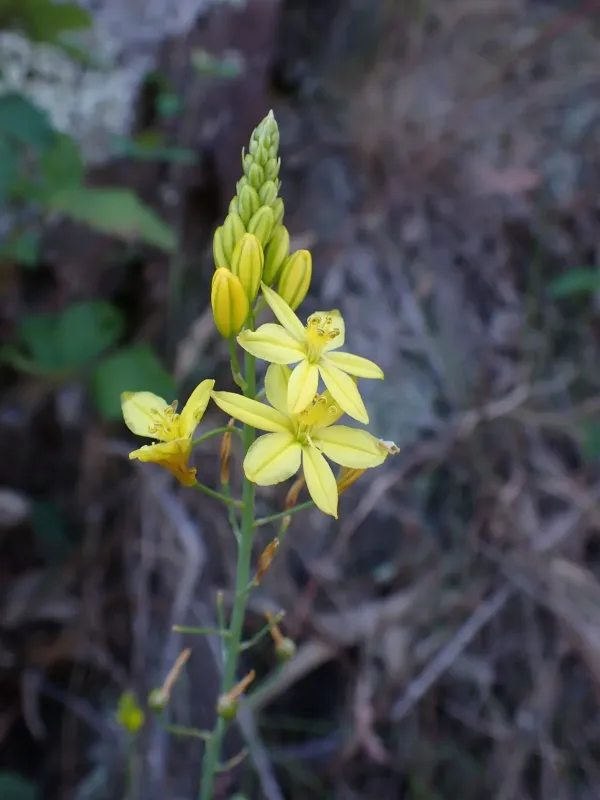
Bulbine glauca is a perennial succulent species belonging to the Asphodelaceae family. It is recognized for its distinctive glaucous, fleshy leaves and attractive yellow inflorescences.
The plant originates from the arid regions of Southern Africa, which defines its high tolerance to drought and intensive solar radiation.
For optimal cultivation, the plant requires well-draining, gritty soil mixtures. It thrives in pots or greenhouses where drainage can be strictly controlled to prevent root saturation.
Environmental conditions should mimic its native habitat: high light intensity and moderate to low humidity levels throughout the year.
Propagation is typically achieved through seeds or careful division of mature root clumps, ensuring that each segment has healthy root development before transplanting into fresh substrate.
Main diseases and pests
The most common threat to Bulbine glauca is root rot, which occurs when irrigation frequency exceeds the plant's actual water consumption needs.
Mealybugs are frequent pests that infest the base of the leaf rosettes, feeding on the succulent sap and weakening the plant's overall health.
Aphids may occasionally target the flower stalks, causing damage to the developing buds and reducing the success rate of seed production.
Fungal infections, particularly those caused by stagnant air and excess moisture, can quickly spread through a population if not identified early.
Effective management strategies include manual removal of pests in early stages, combined with applications of specialized horticultural oils or systemic pesticides.