
Bulbine torta
Bulbine torta
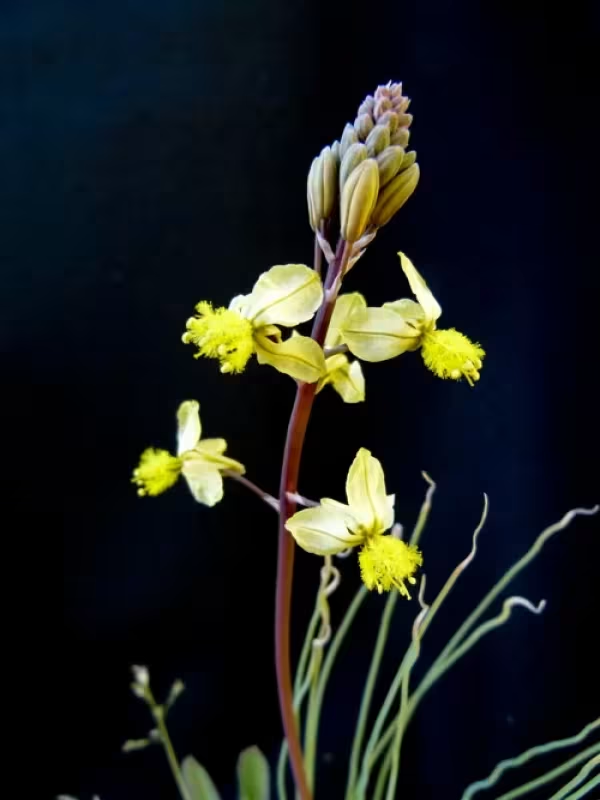
Description
Sowing dates
Propagation of Bulbine torta is primarily achieved through seeds sown during the spring months. The seeds require warmth and consistent light to break dormancy, with an optimal germination temperature ranging between 20°C and 25°C.
A well-draining, mineral-based substrate is essential for seed germination. A mixture of horticultural sand, pumice, and a small amount of peat moss provides the stability and drainage necessary for delicate young seedlings.
Seeds should be sown shallowly on the surface of the soil. Maintaining a humid environment during the first few weeks is crucial, but it must be balanced with adequate ventilation to prevent fungal outbreaks among the seedlings.
Once seedlings have developed their true leaves, they should be transplanted into individual small pots. This stage is critical, and gentle handling is required to avoid disturbing the fragile, developing root systems.
Vegetative propagation via offsets or division is possible for mature clumps. This method ensures that the unique morphological characteristics of the parent plant, such as the distinct leaf torsion, are successfully passed on to the new plant.
Growing requirements
Bulbine torta is a member of the Asphodelaceae family, originating from arid regions of South Africa. As a succulent, it has evolved to thrive in environments with long periods of drought and high solar radiation.
The plant demands full, direct sunlight to maintain its compact and characteristically twisted leaf structure. If kept in shade, the plant will become etiolated and lose the aesthetic appeal that defines its species.
Soil requirements are strict: the medium must be highly porous and inorganic. A standard cactus or succulent mix, further enriched with perlite or grit, will prevent the water retention that leads to root rot.
Watering protocols should follow the soak-and-dry method. During the growing season, water deeply but allow the soil to dry out completely before the next irrigation. In winter, watering should be significantly reduced or suspended.
Good air circulation is vital for the health of the plant. Growing the plant in an environment with high humidity or stagnant air will invariably lead to bacterial or fungal infections of the succulent tissue.
Main diseases and pests
Root rot, triggered by overwatering or poorly draining soil, remains the most lethal threat to Bulbine torta. Once the rot reaches the base of the plant, it becomes extremely difficult to save the specimen.
Mealybugs are the most common insect pest. They tend to hide in the crevices of the twisted foliage, making them difficult to detect early. Regular inspection and systemic insecticide treatments are recommended for control.
Spider mites can become an issue during hot, dry summer months. These pests cause yellowing or stippling of the leaf surface, which can lead to permanent damage if left untreated.
Fungal leaf spot diseases may appear if the plant is exposed to high humidity and poor ventilation. Keeping the foliage dry during irrigation is a simple but effective measure to prevent these common pathogens.
Soil-borne larvae or root-feeding insects can stress the plant, making it more susceptible to environmental diseases. Using sterile potting media and maintaining good hygiene practices is the best prevention strategy.