
Bulbine semibarbata
Bulbine semibarbata
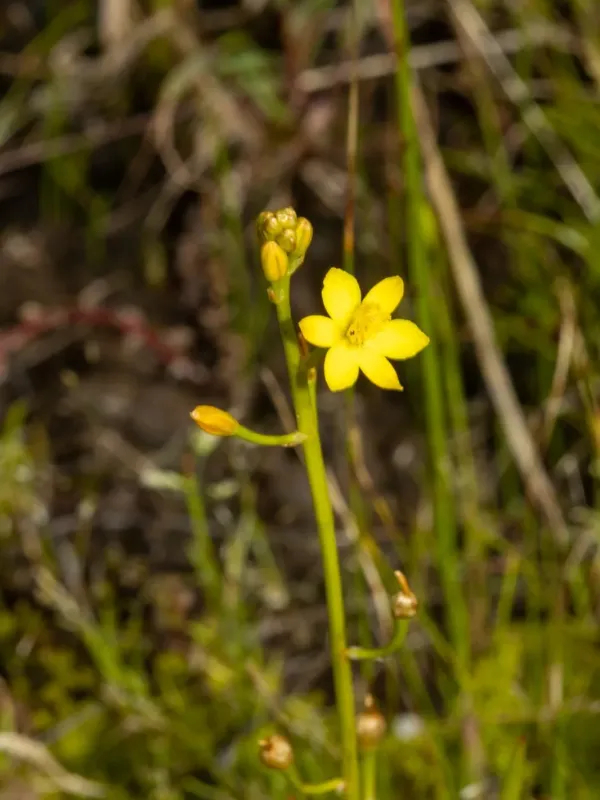
Description
Sowing dates
Bulbine semibarbata, known as the leek lily, is an annual species belonging to the Xanthorrhoeaceae family, native to the arid regions of Australia.
Sowing should be performed in early spring once the soil temperature consistently reaches 15 degrees Celsius to ensure stable germination rates.
The seeds are small and should be sown onto the surface of a prepared seedbed, covered only lightly with sand or fine compost.
Maintaining consistent soil moisture during the germination phase is critical, though waterlogging must be avoided at all costs.
Thinning the seedlings is recommended once they reach a height of 5 centimeters to allow for adequate airflow and plant spacing of roughly 20 centimeters.
Growing requirements
This crop thrives in well-drained, sandy or gravelly soils that mirror its natural habitat in Australian disturbed lands and arid plains.
High levels of solar exposure are essential for the plant to develop its full physiological potential, as it is a strictly sun-loving species.
It demonstrates exceptional tolerance to nutrient-poor soils, meaning high-intensity fertilization is often unnecessary and potentially detrimental.
The species requires a low-humidity environment; excessive aerial moisture can lead to leaf yellowing and physiological distress.
Proper irrigation management involves deep, infrequent watering to encourage strong root development without keeping the soil surface constantly damp.
Main diseases and pests
Root rot is the most significant agronomic threat for Bulbine semibarbata, usually triggered by poor drainage or excessive irrigation cycles.
Fungal pathogens like Pythium and Phytophthora can cause rapid decline in the plant population if humidity levels exceed recommended thresholds.
Pest pressures are generally low, but spider mites can emerge as a significant threat in greenhouse or semi-arid cultivation during extreme heat events.
Aphids may cluster on flowering stems, requiring targeted control measures if populations threaten the viability of the seed crop.
Integrated pest management strategies focusing on cultural control and sanitation are the most effective ways to preserve crop health.
Harvesting
Seed harvesting should be timed to coincide with the browning of the seed capsules, occurring in the final stages of the annual life cycle.
Early harvest is advised to prevent significant losses caused by natural seed shattering once the pods fully dehisce in the field.
After collection, the capsules must be threshed carefully and the seeds winnowed to remove dust, chaff, and other inert agricultural debris.
Seeds should be stored in a cool, dry place within breathable containers to maintain longevity and high viability for subsequent planting seasons.
The remaining biomass is rich in organic matter and can be incorporated into the soil profile after harvest to enhance overall soil structure.