
Bulbine quartzicola
Bulbine quartzicola
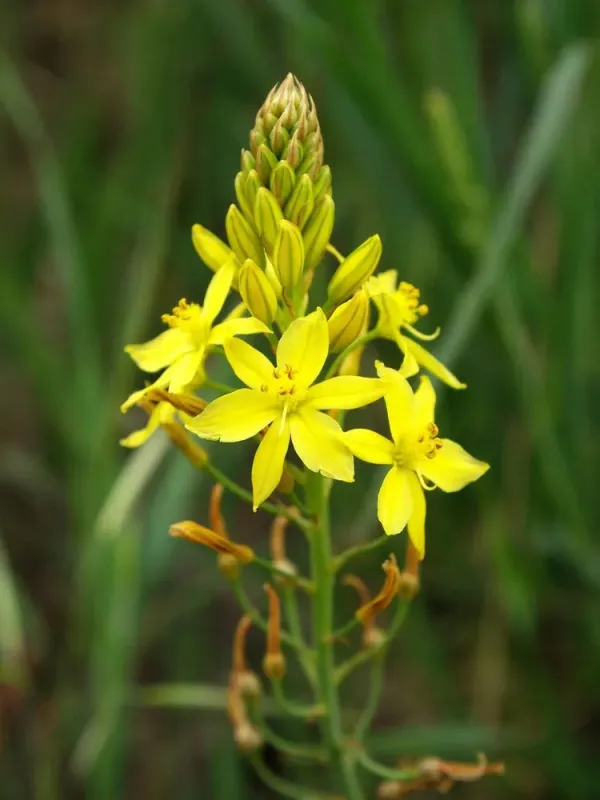
Description
Sowing dates
Bulbine quartzicola is an endemic species, and its cultivation requires strict mimicry of its natural environmental conditions. The optimal time for sowing seeds is early spring, when daylight hours begin to increase.
Seeds should be sown in a well-drained substrate consisting primarily of quartz sand and fine gravel. Surface sowing is preferred, as the seeds require direct light exposure for successful germination.
Maintaining a stable temperature range of 20–25 degrees Celsius significantly improves germination rates. It is crucial to avoid soil saturation, which can easily trigger seed decay during the early developmental stages.
Seedlings of this species develop very slowly, forming a compact rosette of fleshy leaves. During the first year, the plant requires no fertilization, as the nutrients stored in the seed and substrate are sufficient for initial growth.
Pricking out should only be performed once the plant has developed a healthy root system and a second pair of true leaves. Transplanting into individual containers must be done with extreme care to avoid damaging the delicate roots.
Growing requirements
This culture belongs to the Asphodelaceae family and is a typical representative of the succulent flora of South Africa. The plant is perfectly adapted to extreme survival conditions on quartzite rock outcrops.
It has strict lighting requirements: for normal development, Bulbine needs intense, direct sunlight. Lack of light results in the loss of its natural compact form and leads to etiolation of the stems.
The soil mixture must provide exceptional water permeability and aeration. Standard garden soil or peat-based substrates are fatal to this species as they cause rapid root system failure.
The plant is extremely drought-tolerant and stores water in its leaves for long periods. Irrigation must be moderate and strictly controlled during the active vegetative growth phase.
The temperature regime should mimic Mediterranean or arid climates. The plant does not tolerate high air humidity well, necessitating excellent ventilation in greenhouses or indoor cultivation areas.
Main diseases and pests
The primary threat to the health of Bulbine is root rot caused by stagnant water in the soil. Fungal infections can develop rapidly; therefore, prevention relies entirely on a strictly regulated watering schedule.
In greenhouse conditions, the plant may be infested by mealybugs, which hide at the base of the fleshy leaves. For pest management, it is recommended to use specialized systemic insecticides.
Spider mites pose a danger in environments with low air humidity and high temperatures. Regular inspection of the leaves allows for the early detection of insect colonies and prevents massive outbreaks.
Improper lighting conditions weaken the plant's immunity, making it susceptible to secondary infections. Maintaining a proper balance of light and ventilation is the best strategy for biological risk mitigation.
Using fertilizers with high nitrogen content makes the tissues excessively soft and prone to physiological disorders. It is advised to use only specialized succulent fertilizers with low salt concentrations.