
Bulbine narcissifolia
Bulbine narcissifolia
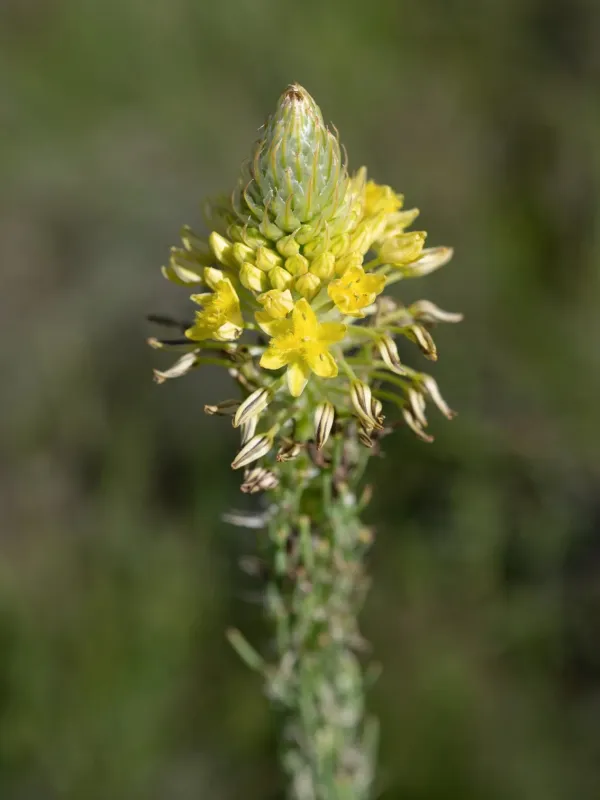
Description
Sowing dates
Bulbine narcissifolia is a fascinating succulent belonging to the Asphodelaceae family, native to the arid regions of Southern Africa. Propagation is primarily achieved through seeds, which should be sown in early spring to leverage the natural increase in solar radiation.
The sowing substrate must be highly permeable, consisting of a mix of sand, pumice, and minimal compost. Seeds should be surface-sown or barely covered with a fine layer of coarse sand to ensure optimal germination rates in a well-lit environment.
Maintaining a temperature range of 20°C to 25°C is crucial for consistent sprouting. Growers often use heat mats to stabilize the soil temperature, which significantly improves the vigor of the seedlings during their initial stage of development.
Vegetative propagation is also possible through division of the root clumps. It is vital to allow the cuts to callous for a few days in a shaded, dry area before planting them into the growing medium to prevent pathogens from entering the plant tissues.
Young plants require careful management of humidity levels. While they are resilient, consistent moisture during the first few weeks post-emergence ensures that the succulent leaves develop the necessary turgor and thickness for future health.
Growing requirements
This species thrives in high-light environments and requires full exposure to natural sunlight to produce its characteristic succulent foliage. In low-light conditions, the plant may become etiolated and lose its compact, upright growth habit.
Soil requirements are strict regarding drainage. A standard mix should include 50% inorganic material, such as grit or perlite, to ensure that no water stays trapped around the root system for extended periods.
Watering intervals should follow the cycle of the plant. During the active growing season, water thoroughly, then allow the soil to dry out completely before the next irrigation. During the winter, the plant enters dormancy, and watering should be strictly reduced to avoid root rot.
Temperature tolerance is limited to mild environments. While the plant can handle short periods of lower temperatures, prolonged cold and damp conditions are detrimental. It should be kept in a greenhouse or indoors in temperate zones.
Fertilization should be handled with caution. Use a balanced, low-nitrogen fertilizer diluted to half-strength once a month during the growing season. Nitrogen-heavy fertilizers encourage weak, succulent tissue that is highly prone to pest infestations.
Main diseases and pests
The most critical risk to Bulbine narcissifolia is the development of root rot due to overly wet substrates. If signs of softening at the base of the plant appear, immediate repotting and removal of the affected roots are necessary to salvage the specimen.
Mealybugs are the primary pest concern for this species. They often hide in the tight spaces between the succulent leaves, making them difficult to detect. Regular inspection and the use of insecticidal soap or neem oil can help manage and eliminate these populations.
Fungal leaf spot may occur if there is poor air circulation combined with high humidity. This is usually easily prevented by ensuring the plant is kept in a well-ventilated area where moisture does not sit on the leaves for prolonged periods.
Spider mites can occasionally infest plants that are kept in extremely hot and dry conditions. Increasing the ambient humidity slightly or utilizing specialized miticides is recommended if webs or mottled leaf patterns are observed.
Mechanical damage from improper handling can expose the inner tissues to secondary infections. It is advised to use tools and equipment carefully during repotting or division and to keep the plants away from high-traffic areas to minimize risk.