
Bulbine margarethae
Bulbine margarethae
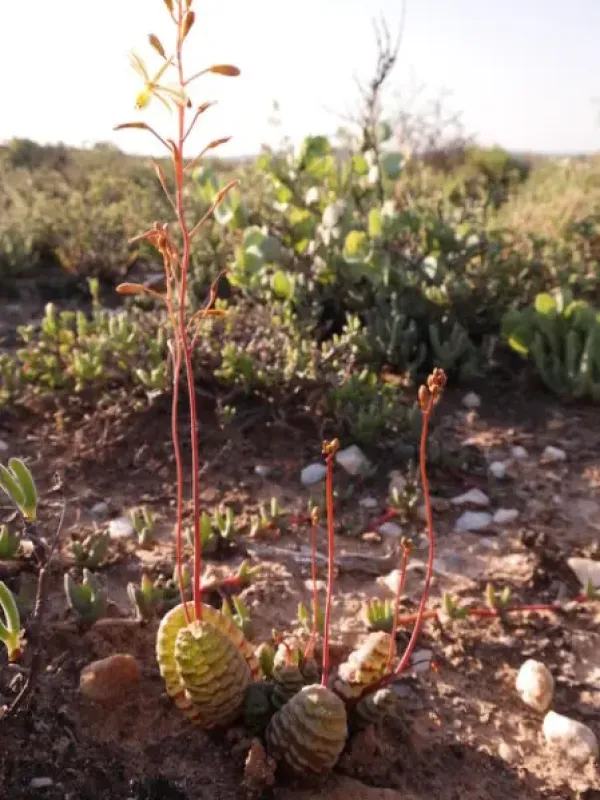
Description
Sowing dates
Seeds of Bulbine margarethae should be sown during the spring months to take advantage of increasing daylight and rising temperatures, which stimulate germination.
The ideal growing medium is a well-draining succulent mix, typically consisting of coarse sand, perlite, and a small amount of peat or organic substrate.
Surface sowing is recommended for these seeds, followed by a light layer of grit to stabilize moisture around the seeds without burying them too deep.
Regular but light misting is necessary to keep the seeds moist, but extreme care must be taken to ensure the substrate does not stay perpetually saturated.
Once seedlings have reached a size suitable for handling, they should be transplanted into individual pots to avoid overcrowding and ensure proper airflow.
Growing requirements
Bulbine margarethae, a member of the Asphodelaceae family, is native to the arid regions of South Africa and requires conditions that mimic its dry environment.
Sunlight is critical for this species; it thrives in full sun, which helps maintain its compact, succulent growth habit and prevents etiolation of the leaves.
The soil must be inorganic and gritty; drainage is the single most important factor for long-term survival, preventing the roots from rotting in stagnant water.
Watering intervals should follow the soak-and-dry method, allowing the substrate to dry out completely between waterings to prevent fungal pathogens from developing.
Temperature management is key; while it can handle high heat, the plant must be protected from freezing temperatures, which can damage its water-storing tissues.
Main diseases and pests
The most common threat to Bulbine margarethae is root rot, caused by excessive soil moisture and inadequate drainage, which rapidly destroys the vascular system.
Mealybugs are frequent pests that infest the base of the leaves and the tight spaces between them, necessitating regular inspections to control their population.
Aphids can occasionally attack the tender flower stalks during the blooming period, affecting the overall aesthetics and reproductive success of the plant.
Fungal leaf spot may appear in conditions of poor ventilation and high humidity, requiring the application of localized fungicides or pruning of the affected tissue.
Insects like spider mites may emerge in extremely dry indoor conditions, which can be mitigated by maintaining moderate air circulation and occasional plant cleaning.
Harvesting
The commercial use of this plant is primarily focused on the niche market for xerophytic plants and collectors of South African succulent species.
Flowering occurs predictably under good conditions, producing distinctive yellow inflorescences that are highly valued by botanical enthusiasts and landscapers.
Harvesting seeds requires vigilance, as the capsules open and release seeds shortly after maturation; timing is essential to avoid losing the crop to the soil.
Pruning for maintenance involves removing dead or yellowing leaves from the bottom of the rosette to improve plant hygiene and prevent pest harborage.
Final production and sale of this crop involve careful acclimatization to ensure that plants grown in greenhouses perform well in the buyer's home environment.