
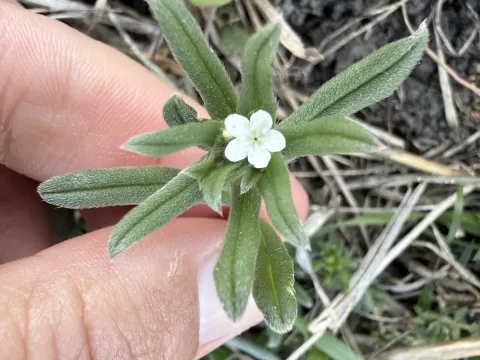
Buglossoides
Buglossoides
Buglossoides, notably the species Buglossoides arvensis, belongs to the Boraginaceae family. This herbaceous plant is increasingly recognized in agronomy for its potential as an oilseed crop, valued for its unique fatty acid profile found in its seeds.
What the section contains


Buglossoides
Sowing should be carried out in early spring or autumn, depending on the specific climatic zone. The seeds require a well-prepared seedbed with fine soil structure to ensure optimal contact and moisture retention for successful germination.
The sowing depth is typically set between 1 to 3 centimeters to prevent excessive drying or competition from deeper-germinating weeds. Using precision drills allows for uniform spacing, which is crucial for maximizing crop density and yield potential.
Crop rotation strategies should involve planting Buglossoides after cereals or legumes to manage soil-borne pathogen levels. Early growth stages are delicate, so ensuring clean field conditions before sowing is highly recommended for better establishment.
Seed quality and germination testing are essential steps before purchasing material for sowing. Using certified seeds helps in maintaining genetic purity, which is vital for standardized oil output in industrial applications.
Buglossoides thrives in temperate climates and is known for its resilience against fluctuating weather patterns. It performs best in full sun exposure, which is necessary for uniform flowering and high seed set throughout the growing season.
Soil requirements are generally moderate, with a preference for well-drained, fertile loam or sandy loam soils. It demonstrates a degree of tolerance to neutral or slightly alkaline conditions, provided the field is not prone to waterlogging.
Temperature management during the vegetative phase is straightforward, as the plant can withstand cool spring temperatures. However, excessive heat during the flowering stage should be monitored, as it may affect pollination success.
Weed control is perhaps the most important agricultural practice during the first few weeks after emergence. Once the canopy closes, the crop effectively competes with surrounding weeds, reducing the need for intensive chemical interventions.
Balanced fertilization, particularly the application of nitrogen in early growth and potassium for reproductive development, helps in achieving high biomass and seed quality. Soil testing should guide the specific nutrient requirements for each field.
Harvesting Buglossoides requires careful timing to coincide with the physiological maturity of the seeds. Signs of maturity include a characteristic color change of the seed pods and the overall senescence of the plant's foliage.
Direct combining is the standard method for harvesting, usually performed under dry conditions to minimize moisture levels in the harvested batch. Careful calibration of the harvester is necessary to reduce seed loss due to shattering.
Post-harvest management involves immediate cleaning to remove chaff and debris, followed by drying to a stable moisture content. This prevents the deterioration of the high-value oil components within the seeds during storage.
The primary industrial use of the crop is the extraction of specialized oils rich in stearidonic acid. These oils are in demand for nutraceuticals, cosmetics, and the pharmaceutical industry due to their health-promoting properties.
Proper storage in cool, dry facilities is essential for long-term quality maintenance. By strictly following harvesting and drying protocols, growers can ensure that the harvested seeds meet the quality standards required by industrial processors.