
Buglossoides gastonii
Buglossoides gastonii
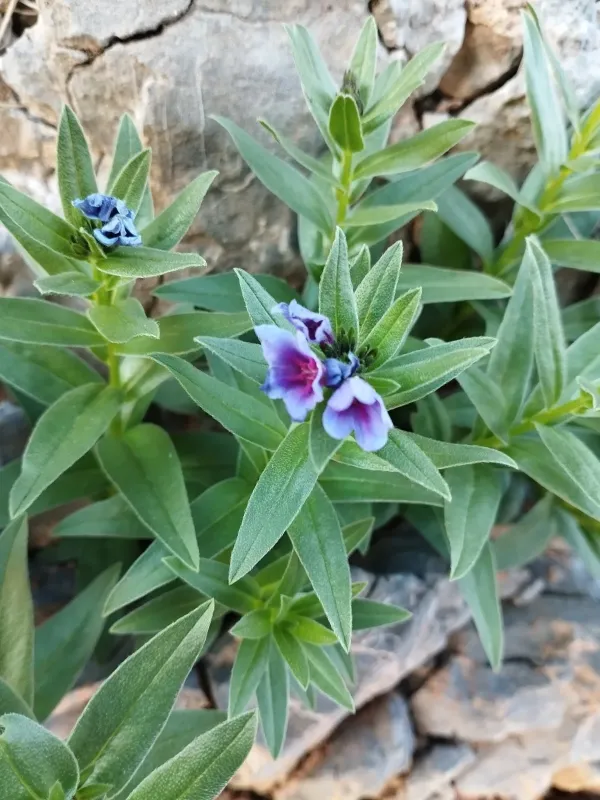
Description
Sowing dates
Propagation of Buglossoides gastonii is typically achieved through division of mature clumps or by sowing seeds in a well-drained medium. Seed sowing is best performed in early spring, as the seeds often require a period of stratification to improve germination rates.
When starting from seed, ensure the substrate is kept moist but not waterlogged. The seeds should be lightly covered with a thin layer of soil or grit, as they need consistent environmental conditions to break dormancy effectively.
Division of established plants should be undertaken either in the early spring or autumn. Carefully lifting the plant and separating the root system into healthy portions allows for the expansion of the colony without stressing the parent plant too severely.
When transplanting, provide adequate space for air circulation between plants to prevent fungal buildup. A spacing of about 30 to 40 centimeters is usually recommended for optimal growth and display.
New divisions or seedlings require attentive watering during the first growing season until they have established a deep and resilient root system capable of accessing ground moisture.
Growing requirements
Buglossoides gastonii is a member of the Boraginaceae family, native to the mountainous regions of the Pyrenees. This perennial species is highly valued for its striking, vivid blue flowers that emerge in the spring and early summer.
The plant thrives in sunny to partially shaded locations, making it an excellent choice for rock gardens and borders. It requires soil that is rich in organic matter but possesses excellent drainage properties, mimicking its natural mountainous habitat.
Soil pH should ideally be neutral to slightly acidic. If the garden soil is heavy or prone to waterlogging, it is essential to incorporate coarse sand or gravel to prevent the accumulation of stagnant water around the root collar.
Regarding climate, this plant prefers cool summers and is generally winter-hardy. While it enjoys a temperate climate, it should be protected from excessive heat and direct, harsh sun during the hottest parts of the day.
Maintenance is relatively low, focusing on ensuring the soil remains moist but never saturated. Mulching can help maintain soil temperature stability and conserve moisture during drier months.
Main diseases and pests
The primary threat to the health of Buglossoides gastonii is root rot caused by poor soil drainage. If the root zone remains waterlogged, especially during dormant periods, the plant will quickly decline and may perish.
Fungal issues, such as powdery mildew, may manifest in conditions of poor air circulation or overcrowding. Proper spacing and ensuring that the foliage dries quickly after rainfall are vital cultural practices for disease prevention.
Aphids can occasionally infest new vegetative growth. Monitoring the plants in early spring and utilizing insecticidal soaps or neem oil is usually effective in managing pest populations without harming the plant.
Gastropods, such as slugs and snails, can graze on the foliage, particularly in damp and cool weather. Barrier methods or organic slug bait can be used to protect the plants if significant damage occurs.
Regular inspection of the plant for any signs of decay or pest damage is recommended. Removing dead or damaged leaves helps to maintain the overall vigor and aesthetic appeal of the perennial throughout the growing season.