
Buglossoides tenuiflora
Buglossoides tenuiflora
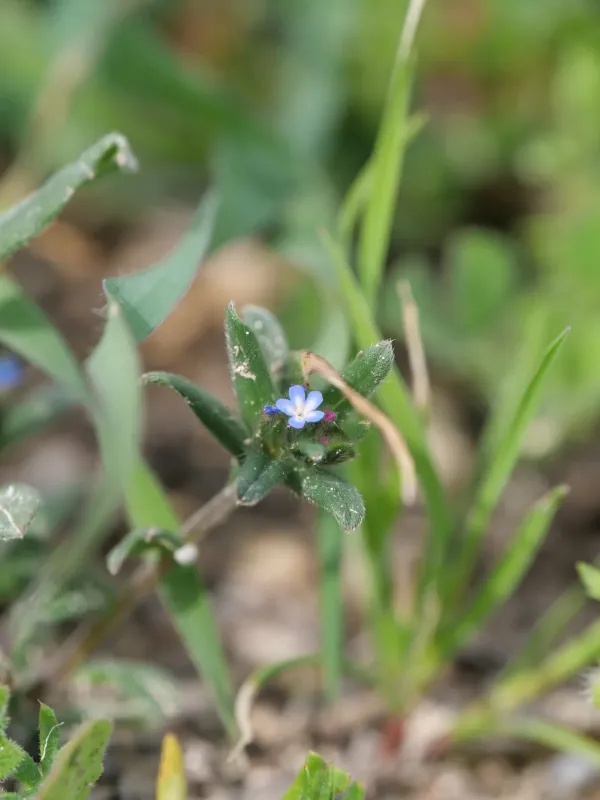
Description
Sowing dates
Buglossoides tenuiflora is a member of the Boraginaceae family. It is typically sown in early spring, as the plant relies on the initial soil moisture reserves to establish its root system before the onset of the drier summer months.
Seedbed preparation requires a fine, crumbly soil structure. Due to the small size of the seeds, they should be sown shallowly, ideally no deeper than 2 centimeters, to ensure that the emerging seedlings do not exhaust their energy reserves before reaching the surface.
The sowing density must be carefully calculated to prevent intra-species competition. Wide-row sowing is often preferred in agricultural settings to facilitate mechanical weeding and ensure optimal access to sunlight for each individual plant during the vegetation stage.
Autumn sowing is also an option in regions with mild winters, as the exposure to cold temperatures can effectively stratify the seeds, leading to earlier and more synchronized germination once temperatures rise in the spring.
Maintaining a weed-free field during the germination phase is critical. Since this crop grows relatively slowly in its initial weeks, any competition from opportunistic weeds can significantly reduce the potential stand density and overall yield.
Growing requirements
The crop thrives in well-drained, sunny locations. It exhibits high adaptability to various soil types, ranging from sandy loams to calcareous soils, provided that the soil structure allows for rapid drainage and prevents waterlogging.
Soil pH should ideally be neutral or slightly alkaline. While the plant can tolerate nutrient-poor soils, a balanced supply of phosphorus and potassium is essential to support the development of reproductive organs and maximize seed production.
Although it is relatively drought-tolerant once established, supplemental moisture during the flowering period significantly enhances the seed set. Excessive humidity, conversely, can lead to physiological stress and an increased incidence of fungal diseases.
Temperature requirements are consistent with temperate climate zones. The plant is resilient to minor spring frosts, which allows for early-season growth, provided that the growing season offers enough cumulative heat for maturation.
Strategic soil management, including the rotation with crops that improve soil structure, provides a strong foundation for cultivation. Avoiding saline soils is crucial, as the plant shows lower vigor and poor development in areas with high salt accumulation.
Main diseases and pests
Fungal pathogens, particularly those causing powdery mildew, represent the primary disease risk. High humidity levels and inadequate air circulation between plants create favorable conditions for the rapid spread of spores throughout the crop field.
Root rot is a common issue when fields are located on heavy or poorly drained soils. The damage is often irreversible once the root system is compromised, emphasizing the need for selecting the correct field topography prior to sowing.
Pest threats include various leaf-feeding insects and aphids. Monitoring the crop closely during the budding stage allows for timely intervention, minimizing the risk of significant defoliation or damage to the flowers which are vital for yield.
Weed competition remains a constant threat, especially for plants that have not yet reached full canopy closure. Integrated pest and weed management, combining mechanical and biological controls, is recommended over heavy chemical reliance.
Good agricultural practices, such as maintaining a proper crop rotation cycle, are the most effective way to prevent the buildup of soil-borne pests. This disruption of the pest lifecycle is essential for the long-term sustainability of the cultivation.