
Boykinia
Boykinia
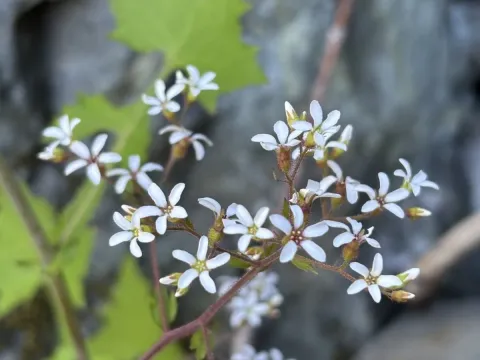
Boykinia is a genus of perennial herbaceous plants belonging to the Saxifragaceae family. These plants are prized by horticulturists for their lush foliage and delicate inflorescences, making them an excellent choice for moisture-loving landscapes and shaded garden areas.
What the section contains

Boykinia
The genus originates from the temperate regions of North America and Eastern Asia. In their natural habitat, they are typically found in moist, shaded environments such as forest floors and the banks of mountain streams, which dictates their specific horticultural needs for cultivation.
For optimal growth, Boykinia requires soil that is rich in organic matter, consistently moist, but well-drained. Peaty or loamy soils are preferred as they allow for healthy root development while retaining the necessary water levels to prevent the plant from wilting during warmer months.
The most important environmental requirement for this crop is partial to full shade. Direct exposure to intense afternoon sunlight can be detrimental, leading to leaf burn and stress. Therefore, placing them on the north side of buildings or beneath the canopy of trees is highly recommended.
Maintenance includes consistent moisture management and the application of organic mulch to protect the root zone from temperature fluctuations. While Boykinia is generally hardy, gardeners should focus on dividing clumps every few years to maintain plant vigor and prevent the center of the patch from becoming woody or dead.
The primary horticultural threat to Boykinia is crown rot caused by poor soil drainage and stagnant water. To prevent fungal issues, it is essential to ensure that the site does not collect excess runoff and that the soil structure remains airy and loose throughout the growing season.
Slugs and snails are the most common pests, as they are attracted to the cool and damp environment that Boykinia requires. Effective management includes keeping the area around the plants clean and using physical barriers or organic baits to protect the leaves from excessive damage.