
Boykinia lycoctonifolia
Boykinia lycoctonifolia
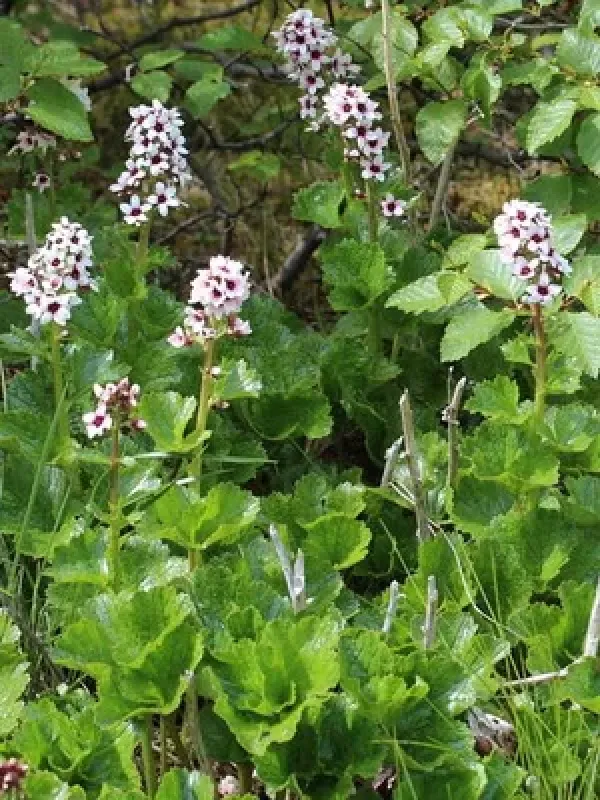
Description
Growing requirements
Boykinia lycoctonifolia is a perennial herbaceous plant belonging to the Saxifragaceae family. This species is native to mountainous regions and high-altitude forests, which dictates its specific environmental preferences in a cultivated garden setting.
The plant thrives in partial to full shade, requiring protection from intense direct sunlight. Exposure to strong sun leads to leaf scorch and dehydration, significantly reducing the visual appeal and health of the perennial.
For optimal growth, Boykinia requires moist, humus-rich, and well-draining soil. It is highly recommended to incorporate organic matter like leaf mold or compost into the planting site to ensure proper moisture retention and nutrient availability.
Consistency in watering is a critical requirement for this crop. The root system is sensitive to fluctuations in soil moisture; therefore, gardeners should avoid periods of drought by applying mulch to keep the soil surface cool and damp.
The plant is generally hardy and can withstand cool temperatures, but it benefits from a protective layer of organic mulch during winter in colder climates. This practice helps maintain a stable temperature around the crown of the plant.
Main diseases and pests
The most common disease affecting Boykinia is fungal rot, which typically develops in areas with poor airflow and excessive stagnant water. Maintaining proper distance between plants helps mitigate this risk effectively.
Slugs and snails present a persistent threat to the foliage. These pests can rapidly defoliate the plant during humid weather, making manual removal or the use of baits a necessary part of the maintenance routine.
Leaf spots caused by fungal pathogens can appear if the plant remains wet for extended periods. Pruning affected leaves and improving the drainage of the planting spot are effective cultural controls.
Aphids may occasionally attack the tender new growth during the spring season. Regular monitoring and the application of insecticidal soap are usually sufficient to control infestations and protect the plant's vigor.
Root system health is vital; poor soil aeration can encourage the development of soil-borne pathogens. Ensuring that the planting site has adequate drainage is the best preventative measure against root-related issues.