
Boswellia serrata
Boswellia serrata
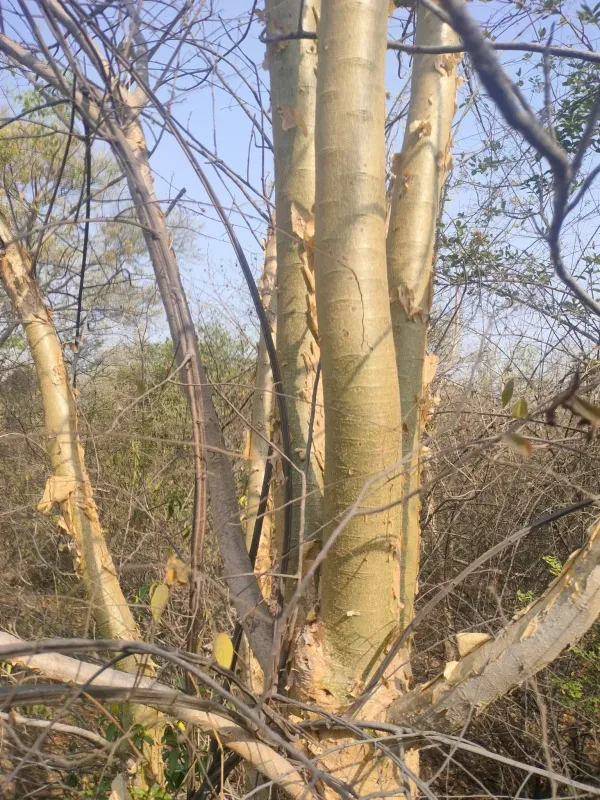
Description
Sowing dates
Boswellia serrata is primarily propagated via seeds or vegetative cuttings within specialized nurseries. Sowing typically takes place from March to May, when the soil temperature consistently stays above +25°C.
The seeds require a well-drained medium, such as a mix of sand, perlite, and peat, to ensure proper root development and prevent moisture-related rot. Maintaining moderate, consistent soil humidity is vital during the germination phase.
Once the seedlings reach a height of 15-20 cm, they are ready for transplanting into field conditions or plantation rows. Proper spacing of 5 to 7 meters is recommended to accommodate the wide, spreading crown of mature trees.
Growth is notably slow during the initial stages; thus, young trees require significant protection from weed competition and grazing animals. Regular monitoring during the first two years is essential for establishment.
In modern plantations, drip irrigation is often employed during the early development stage to ensure the roots grow deeply and become well-anchored, which is critical for long-term tree health.
Growing requirements
As a member of the Burseraceae family, Boswellia serrata is a deciduous tropical tree adapted to dry, hot climates. It naturally thrives in the arid mountainous regions of India and similar tropical environments.
The ideal soil profile consists of dry, rocky, or sandy substrates with excellent drainage. The species is highly sensitive to waterlogging, which quickly leads to root failure and fungal infections in the root collar area.
Optimal growth temperatures range between +20°C and +35°C. While the tree shows remarkable resilience to droughts, prolonged lack of water induces a natural dormancy period, causing the tree to shed its leaves.
The tree requires full, unfiltered sunlight for maximum resin production. Shaded environments inhibit metabolic processes and reduce the overall vigor and productivity of the plantation.
Fertilization should be handled with caution, focusing on organic amendments applied to the drip line area. Avoiding excessive nitrogen is important to prevent overly succulent growth that may be vulnerable to pests.
Yield
The primary economic output of Boswellia serrata is its oleo-gum resin, commonly referred to as Indian frankincense or Salai Guggul. Yields vary depending on the tree's age, health, and climatic consistency.
A healthy, mature tree typically yields between 500 and 1,500 grams of high-quality resin per season. Productive lifespans can extend for decades if the tapping process is managed correctly and sustainably.
The intensity of resin flow is closely linked to seasonal temperatures, with higher yields recorded during hot, dry periods when the tree's metabolic activity is concentrated on resin synthesis.
Sustainable harvesting involves precise tapping methods that do not compromise the vascular integrity of the tree. Implementing rest periods for the trees between tapping seasons is critical to maintaining high annual yields over time.
Post-harvest processing involves manual cleaning and grading of the resin. High-purity grades are highly sought after by the pharmaceutical industry for their potent boswellic acid content.
Main diseases and pests
Fungal infections of the root system are the most significant threat to Boswellia plantations, often triggered by poor soil aeration or excessive moisture during the rainy season.
Boring insects, such as bark beetles, pose a direct threat by creating tunnels beneath the cortex, which disrupts nutrient flow and can lead to branch dieback or total tree mortality.
Livestock and wild herbivores are major pests for young plantations, as they consume the tender bark and shoots. Physical barriers and fences are essential to prevent irreparable damage during the establishment phase.
Bacterial infections can enter the tree through poorly executed tapping wounds, causing localized necrosis. Disinfecting tools between each tree is a standard and necessary practice in modern agrotechnology.
Environmental stress, including unexpected flooding or prolonged exposure to high-humidity cycles, can significantly lower the tree's immune system, making it more susceptible to secondary viral or bacterial threats.
Harvesting
Resin harvesting is a technical process requiring skilled labor to ensure both high quality and tree preservation. It begins after the monsoon season when the ambient temperature is suitable for resin flow.
The process starts by carefully scraping the outer bark to expose a small surface area. Shallow incisions are then made to stimulate the tree’s natural defense mechanism, triggering resin secretion.
The resin exudes in liquid form and gradually solidifies upon contact with air. Harvesters typically collect the hardened droplets 15 to 20 days after the initial incision is made.
Collected resin must be cleaned immediately to remove bark fragments and surface debris. Proper cleaning at the source is the key factor in achieving premium prices on the global market.
Storage of the finished product requires climate-controlled environments with low humidity. This prevents the resin from softening or oxidizing, ensuring that the valuable active compounds remain stable during shipping.