
Boswellia nana
Boswellia nana
Description
Growing requirements
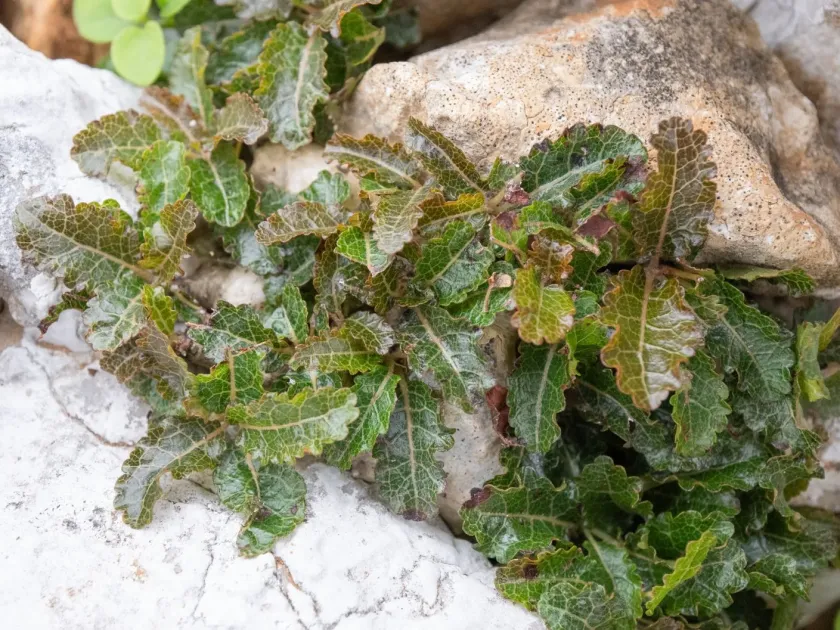
Boswellia nana is a member of the Burseraceae family, known for its unique adaptation to the harsh, arid environments of its native Socotra island. This species is a dwarf shrub, distinctly different from the tree-like members of its genus.
The plant thrives in high-altitude rocky landscapes, requiring extreme thermal stability and intense sunlight to maintain its physiological health. Its ability to store water in its succulent stems allows it to survive prolonged droughts.
For cultivation purposes, soil requirements are strict: the substrate must be loose, stony, and alkaline. High drainage capacity is non-negotiable, as waterlogging is the most common cause of root rot in this species.
Current propagation techniques are limited. While seeds can be used, they require specific laboratory conditions to achieve optimal germination rates. As a protected species, access to genetic material is strictly managed by international regulations.
Agricultural management of Boswellia nana requires a deep understanding of its slow growth cycle. It is not a fast-yielding crop, making it a niche plant rather than a standard commercial agricultural commodity.
Main diseases and pests
Fungal pathogens represent the most significant threat to Boswellia nana in cultivation. Excess humidity and poor aeration lead to rapid root decay, which is often irreversible due to the plant's slow metabolic regeneration.
Pest management is focused on preventing infestations of mites and scale insects. These pests can cause significant leaf damage, which reduces the plant's overall photosynthetic efficiency and weakens its resistance to pathogens.
Improper fertilization, particularly excessive nitrogen, can disrupt the plant's natural hardening process, making it more susceptible to environmental stress and opportunistic pests.
Strict quarantine and biosecurity protocols are essential in nurseries to prevent the introduction of foreign pathogens. Given the species' rarity, the loss of an entire batch of plants is a significant agricultural setback.
Climate change is emerging as a long-term threat, with shifting weather patterns in its native habitat potentially disrupting its natural life cycle and reproductive success.
Harvesting
The primary economic value of Boswellia nana lies in the harvest of its oleoresin. This resin is highly prized for its distinct aromatic profile and potential medicinal applications, particularly in treating chronic inflammation.
Harvesting involves performing precise, shallow incisions in the bark during the dormancy period. Because the shrub grows very slowly, the frequency of tapping must be carefully calibrated to ensure the plant's long-term survival.
The collected resin is processed through natural air-drying. This stage is crucial for stabilizing the chemical composition of the resins and essential oils, ensuring the final product meets pharmaceutical quality standards.
Industrialization of Boswellia nana cultivation is currently focused on developing sustainable plantation models. These efforts aim to reduce pressure on wild populations while ensuring a steady supply of raw materials for the perfume and medical industries.
Future research is exploring the extraction of bioactive compounds from the plant's foliage, which may hold additional commercial potential beyond the traditional resin harvest.