
Boswellia aspleniifolia
Boswellia aspleniifolia
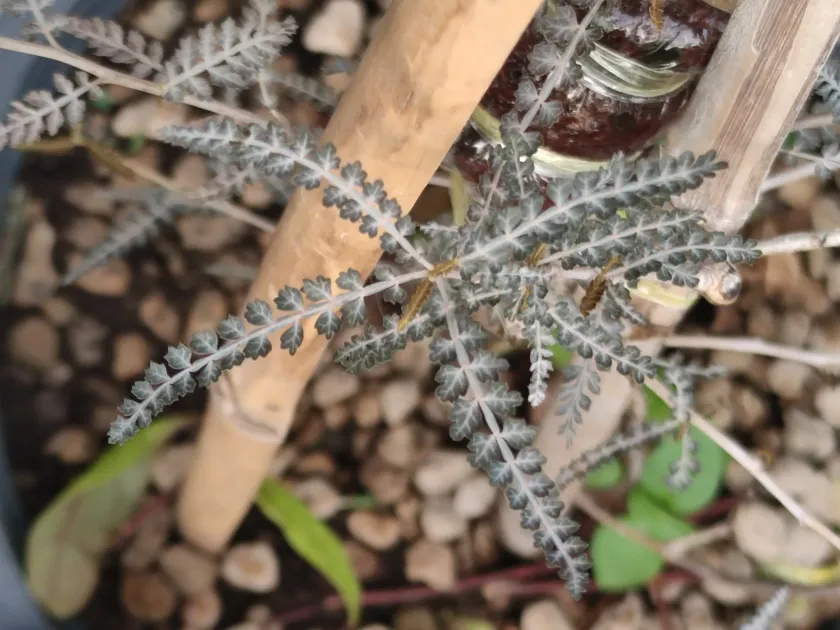
Description
Growing requirements
Boswellia aspleniifolia is a member of the Burseraceae family, known primarily for its ability to produce precious resins in extreme environmental conditions. This species exhibits unique morphological adaptations to heat and drought.
The native range of this plant encompasses the arid landscapes of Africa and the Middle East, where it thrives on rocky slopes with very little organic matter. Its deep taproot system allows it to reach water reserves in deep soil layers.
The cultivation requirements are strict regarding soil drainage; waterlogged soils are lethal to the plant as they induce rapid root rot. Well-drained, sandy, or rocky soils are ideal for ensuring the health of the specimens.
Optimal climate conditions involve consistent warmth and intense solar exposure. The species is highly intolerant of frost, requiring a strictly tropical or subtropical environment to maintain vegetative growth and resin production.
The primary economic value of the culture lies in its resin, which is harvested for industrial use in pharmaceuticals. The chemical compounds, specifically boswellic acids, are valued for their broad anti-inflammatory medicinal applications.
Main diseases and pests
Fungal pathogens represent the most significant threat to the crop, particularly when cultivation practices involve excessive irrigation. Root rot pathogens are known to cause total crop failure if soil moisture is not managed.
Spider mites often attack the foliage in hot, dry greenhouse environments, causing dehydration and reducing the photosynthetic capacity of the plants. Early detection is crucial for managing these infestations.
Stem-boring insects can cause structural damage to the trees, which significantly inhibits the natural secretion of resin. Careful monitoring of the bark integrity is essential for commercial resin production.
Preventive care requires spacing plants properly to ensure adequate airflow, which prevents the buildup of humidity. This is critical for preventing mildew and other leaf-based fungal diseases in enclosed spaces.
When implementing pest control, it is advised to avoid heavy chemical sprays. Using integrated pest management techniques helps maintain the organic quality of the extracted botanical products.