
Boswellia elongata
Boswellia elongata
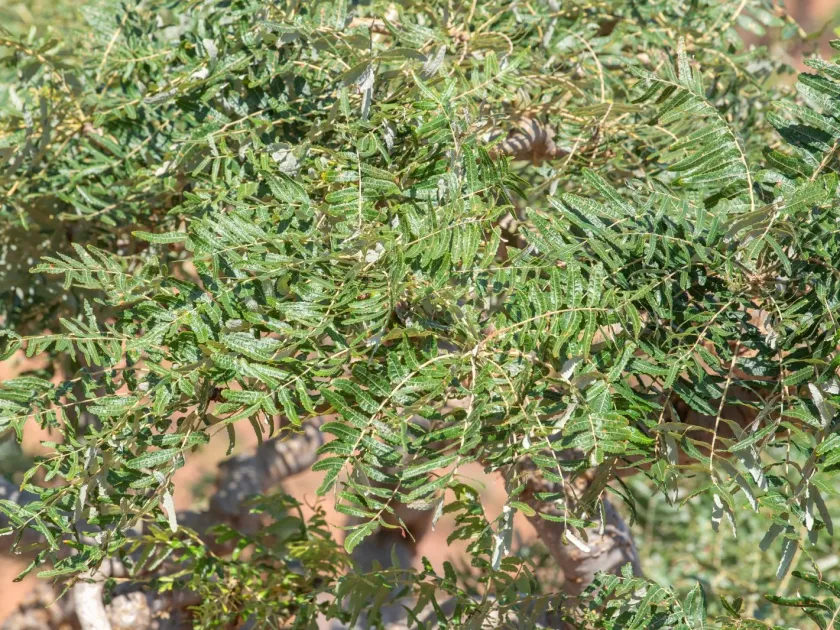
Description
Growing requirements
Boswellia elongata is a distinct species within the Burseraceae family, native to the arid landscapes of Socotra. It is a slow-growing deciduous tree adapted to extreme tropical heat and water scarcity.
The plant thrives in rocky, limestone-rich soils with excellent drainage. Any accumulation of moisture around the roots is detrimental, often leading to rapid root rot and systemic plant failure.
High levels of solar radiation are essential for the metabolic processes required to synthesize resinous compounds. It performs best in regions where temperatures remain consistently warm throughout the year.
Agricultural management requires minimal soil amendment, as the species is adapted to nutrient-poor environments. Water regimes must be strictly controlled to mimic the natural drought-prone climate.
Biological resilience is a key trait of this species, allowing it to survive in harsh, exposed conditions where other crops would fail. Propagation is challenging and requires precise environmental control.
Harvesting
The economic value of Boswellia elongata is centered on the production of high-quality aromatic resin. This is obtained through a specialized tapping process performed on the tree's bark.
Strategic incisions are made into the bark to stimulate the release of resinous sap. This sap, often referred to as frankincense, solidifies upon contact with air into distinct droplets.
Harvesting is a manual, labor-intensive process that requires skill to ensure the longevity of the tree. Workers collect the hardened resin manually after it has sufficiently cured on the trunk.
Post-harvest processing involves cleaning the resin to remove bark fragments and other impurities. The final product is then sorted by grade, size, and aromatic purity for commercial distribution.
Sustainable harvesting cycles are necessary to prevent over-exploitation. By rotating harvesting sites, producers ensure the health and long-term yield potential of the Boswellia population.