
Boswellia dalzielii
Boswellia dalzielii
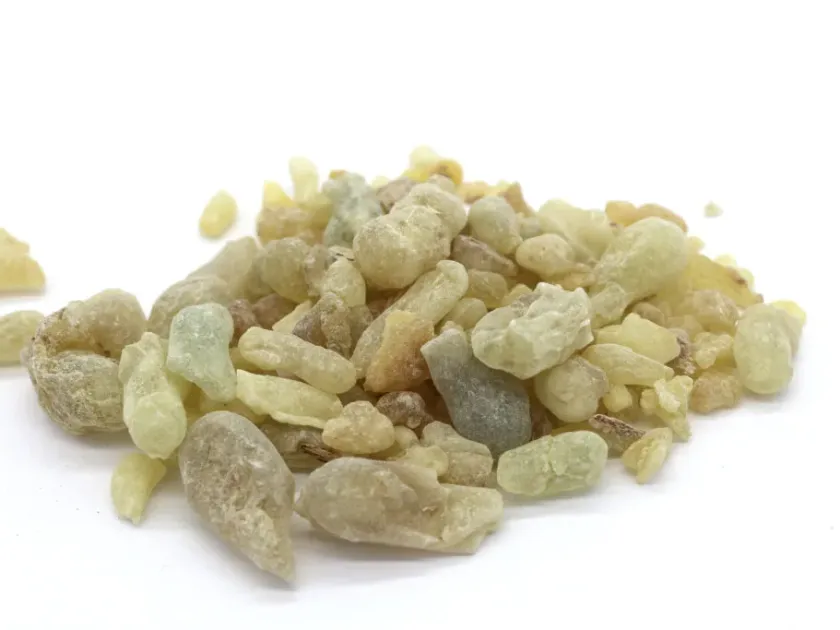
Description
Growing requirements
Boswellia dalzielii is a deciduous tree belonging to the Burseraceae family, native to the savanna regions of West and Central Africa. It is widely recognized for its medicinal bark and fragrant resin.
The tree thrives in semi-arid tropical climates, characterized by distinct wet and dry seasons. It is highly drought-tolerant, making it a viable crop for regions with limited irrigation resources.
Optimal growth occurs in well-drained, stony or sandy soils. The species requires full sun exposure for healthy development and is sensitive to waterlogging, which often leads to root rot issues.
Cultivation practices involve selecting sites with high soil permeability. During the establishment phase, young seedlings require protection from extreme heat and occasional watering until their root systems are fully developed.
The economic value of this crop is primarily derived from the harvesting of oleo-gum resin. Additionally, parts of the tree are harvested for traditional medicine, perfumery, and chemical applications.
Main diseases and pests
The primary threats to Boswellia dalzielii include fungal pathogens that infiltrate the tree through improper resin extraction wounds. Maintaining clean cutting tools is essential for plantation hygiene.
Boring insects and wood-destroying beetles are common pests that can compromise the structural integrity of the tree. Regular inspections of the trunk area are recommended for early detection.
Excessive humidity during the rainy season can lead to leaf spots and bark degradation. Ensuring proper ventilation between trees in a plantation setting is a key agronomic strategy to manage humidity levels.
Over-tapping the bark for resin extraction significantly reduces the tree's vitality and increases its susceptibility to opportunistic infections. Implementing sustainable tapping cycles is crucial for long-term production.
Invasive weed competition during the early growth stages can stunt the tree's development. Effective weed management ensures that the crop receives sufficient nutrients and soil moisture during its juvenile years.