
Boswellia bullata
Boswellia bullata
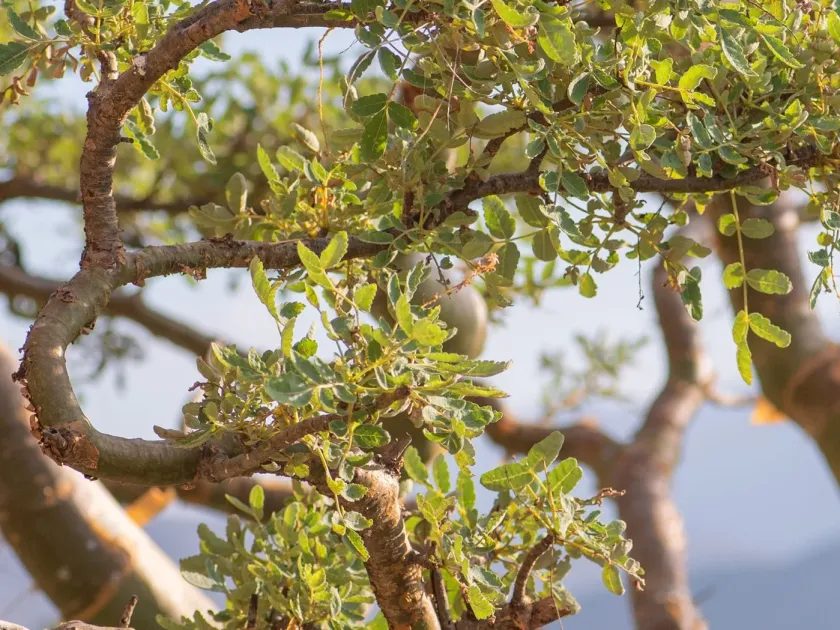
Description
Growing requirements
Boswellia bullata is a rare and distinct plant species belonging to the Burseraceae family. Native to the island of Socotra, it is highly adapted to the harsh, arid environmental conditions of its limited geographical range.
The plant thrives in rocky, calcareous soils, which are typical of its natural mountainous habitat. A crucial factor for successful cultivation is ensuring perfect soil drainage, as the roots are highly susceptible to rot if exposed to excess moisture.
Climate requirements for this species include high solar irradiance and sustained warm temperatures throughout the year. As a xerophytic plant, it has evolved to withstand long periods of drought, and it generally requires low humidity to remain healthy.
Botanically, the species is recognized by its characteristic bullate (puckered or blistered) leaf surface, which provides better moisture retention. It is a slow-growing deciduous tree that possesses the characteristic resin-producing secretory ducts common to the genus.
Agricultural management in artificial environments necessitates a specialized approach. Propagation is primarily achieved through seeds, which must be sown in a sterile, well-aerated medium to ensure the survival of young seedlings in the early growth stages.
Harvesting
The primary economic value of Boswellia bullata lies in the extraction of aromatic resin, known as frankincense. The harvesting process involves making precise, superficial incisions in the bark to stimulate the tree to release its sap.
Sustainability is the most important aspect of the harvest. Careful monitoring of the tree's health is required to ensure that the tapping process does not cause long-term damage to the vascular tissues, allowing the tree to continue producing resin for many years.
Once the resin exudes and solidifies upon contact with the air, it is meticulously collected by hand. The grading of the resin depends on its color, purity, and chemical concentration of bioactive compounds, which vary depending on the plant's physiological age.
Essential oils derived from this species are highly sought after by the perfume and pharmaceutical industries due to their unique terpenoid profile. Extraction is usually done via steam distillation or solvent extraction to preserve volatile components.
Post-harvest storage requires airtight, cool, and dry containers to maintain the integrity of the resin. Exposure to high temperatures or direct sunlight can cause the degradation of essential chemical markers, which are critical for the market value of the product.