
Boswellia frereana
Boswellia frereana
Description
Growing requirements
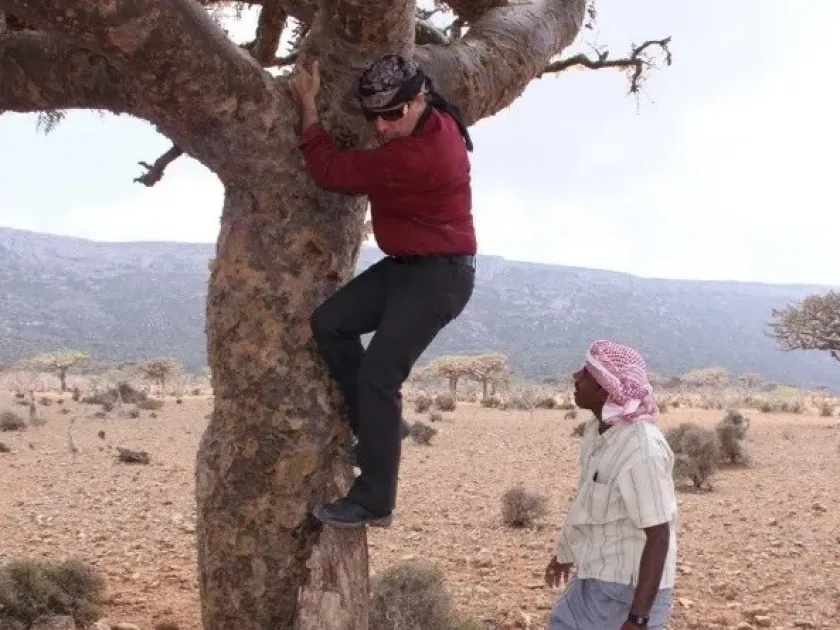
Boswellia frereana is a tree species belonging to the Burseraceae family, recognized as an evergreen plant that can grow up to 8 meters in height. A distinctive feature of this plant is its peeling bark, which reveals a smooth, shiny trunk with a greenish or creamy hue.
The natural range of this crop is limited to the arid regions of northeastern Somalia, where it grows on limestone cliffs and rocky soils. The species is highly adapted to extremely high temperatures and prolonged periods of drought.
For optimal growth, Boswellia frereana requires well-drained, calcareous soils that simulate the conditions of its native mountainous rock environments. The crop is extremely sensitive to excessive soil moisture, which can lead to rapid root and stem decay.
In terms of agricultural management, the tree grows very slowly and requires significant time to reach maturity for sustainable resin extraction. In cultivation, it is crucial to maintain low humidity levels and avoid sudden temperature fluctuations.
Propagation is primarily achieved through cuttings, as the seeds of Boswellia species typically exhibit low germination rates and require specific stratification conditions. Proper care includes minimal watering and protection of the trunk from mechanical damage.
Yield
The primary economic product of Boswellia frereana is an aromatic resin known commercially as "maydi". Unlike other Boswellia species, this variety is prized for its distinct balsamic aroma and lack of bitterness when chewed.
The resin extraction process involves making shallow incisions in the bark. This triggers the release of resin "tears," which solidify upon exposure to air into hard, amber-colored granules of varying sizes.
Yield depends on the age of the tree, regional climatic conditions, and the intensity of the tapping process. A single tree can produce several kilograms of resin per year when using sustainable tapping methods that preserve the plant's vitality.
The raw material is widely used in the perfume industry, incense production, and traditional medicine. Extracts derived from the resin contain unique terpenoids known for their anti-inflammatory properties.
The economic viability of cultivating this crop is limited by its narrow geographic range, making Boswellia frereana a valuable export commodity for producing nations. Standardizing the harvest ensures a high-quality product that meets global market demands.
Main diseases and pests
A major biological threat to Boswellia populations is the over-exploitation of trees by resin harvesters. Excessive incisions that do not allow the tree enough time to recover lead to the depletion of nutrient reserves and the death of individual trees.
Pests of this crop include specific wood-boring insects that penetrate damaged bark areas. Larval damage weakens the tree and makes it highly susceptible to secondary fungal infections.
Fungal root diseases can occur if water accidentally stagnates in the root zone, promoting the development of pathogenic microflora. Such infections often lead to irreversible tree death, as the tree’s natural defense mechanisms are ineffective in waterlogged conditions.
Anthropogenic factors, such as uncontrolled livestock grazing in natural habitats, prevent the natural regeneration of the population as young shoots are easily consumed by animals.
To mitigate these threats, it is recommended to establish protected conservation areas and implement sustainable tapping technologies that minimize bark trauma and allow the tree to thrive without excessive stress.