
Boswellia scopulorum
Boswellia scopulorum
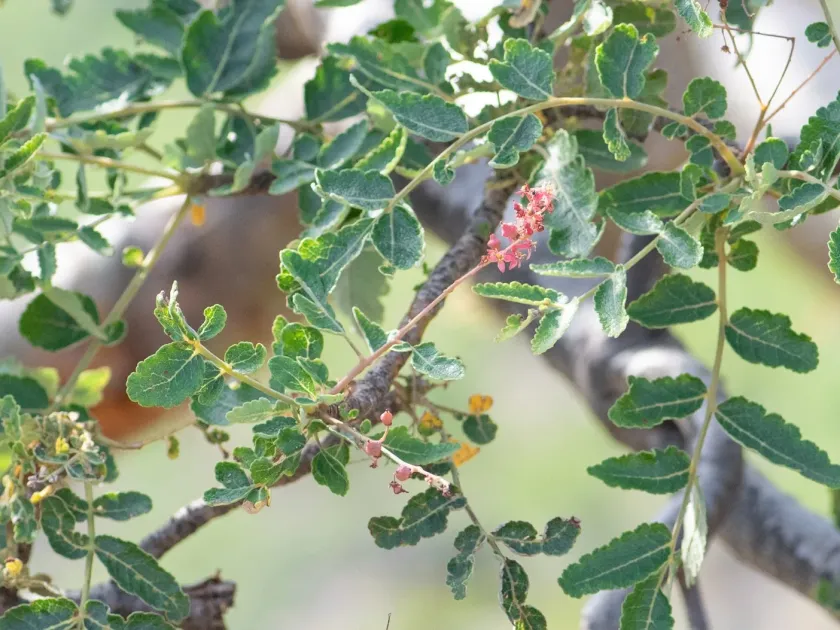
Description
Growing requirements
Boswellia scopulorum is a notable species within the Burseraceae family, native to the arid rocky terrains of East Africa. It is a slow-growing deciduous tree that has evolved remarkable resilience to extreme environmental stressors.
The plant thrives in intense, direct sunlight and requires a semi-arid climate to produce high-quality resin. It cannot survive in environments with high humidity or frequent precipitation, which induce root rot and fungal proliferation.
Soil requirements focus primarily on permeability and drainage. Rocky, gravelly substrates with low organic matter content are ideal for mimicking its natural habitat and preventing water accumulation around the roots.
Agronomic management involves minimal irrigation, restricted strictly to the growth phase. Temperature management is equally critical, as the species requires consistent warmth to maintain its metabolic activity throughout the year.
The economic value of this crop is derived mainly from the harvesting of its aromatic resin, which is highly sought after in the pharmaceutical, cosmetic, and traditional medicine industries for its anti-inflammatory properties.
Main diseases and pests
The primary botanical threats include various soil-borne pathogens that thrive when the substrate remains excessively damp, causing crown and root necrosis.
Boring insects represent a significant risk to the physical integrity of the tree, as they create entry points for secondary infections within the woody tissues.
Over-tapping is a major threat to the survival of cultivated stands, as it depletes the tree's energy reserves and makes it more susceptible to environmental stress and pests.
Preventative measures are centered on balanced spacing, which improves airflow through the canopy and reduces the humidity levels that encourage disease spread.
Integrating organic horticultural practices is essential, as the resin quality must remain free from chemical residues to meet stringent export and safety standards.