
Boswellia rivae
Boswellia rivae
Description
Growing requirements
Boswellia rivae is a notable species within the Burseraceae family, recognized for its resilience in arid environments. This woody plant typically grows as a shrub or a small tree, exhibiting distinct morphological traits such as peeling bark and a robust root system adapted to nutrient-poor, rocky substrates.
The plant is native to the arid regions of East Africa, including Ethiopia and Somalia, where it has evolved to thrive in high-temperature, low-moisture environments. Its natural habitat is characterized by calcareous soils and steep, rocky terrains that facilitate excellent drainage, which is crucial for the survival of the species.
Agricultural requirements for Boswellia rivae prioritize soil aeration and sun exposure. The species is highly sensitive to waterlogging, which can cause immediate physiological stress and potential root rot. Consequently, field selection must account for topography and soil composition to ensure optimal hydraulic conditions.
Climatic adaptability is restricted to tropical and hot subtropical zones. The plant requires significant heat for its metabolic processes and cannot withstand frost. Successful cultivation involves maintaining a strict dry season, which acts as a trigger for resin production cycles.
Agronomic management involves minimal intervention in terms of irrigation, as the plant is a xerophyte. Instead, focus is placed on protecting young saplings from livestock and ensuring that the natural ecological balance is maintained to allow the slow-growing trees to reach maturity.
Harvesting
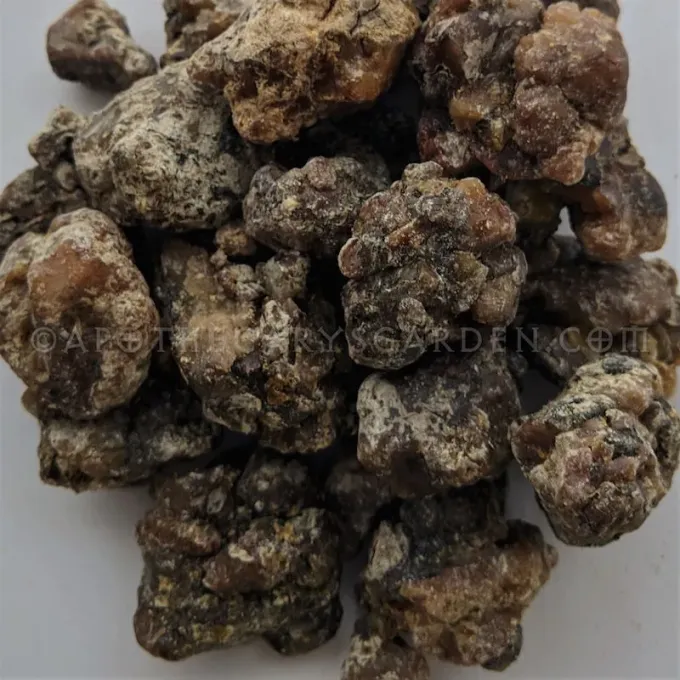
The primary economic output of Boswellia rivae is its fragrant resin, harvested through the traditional practice of tapping. Small, controlled incisions are made into the bark, allowing the tree to exude a resinous substance that solidifies upon contact with air and heat.
Harvesting is performed during the dry season when the resin's essential oil concentration is highest. Harvesters must be trained to avoid deep incisions that might damage the tree's cambium, as long-term tree health is paramount to continuous annual production of high-quality incense resin.
Post-harvest processing involves sorting the resin tears based on color, size, and purity. These factors are critical for determining the final market grade, as higher purity resins are highly sought after by the perfume and pharmaceutical industries for their unique chemical profiles.
The sustainability of resin harvesting is a major topic in the industry. Proper rotational tapping practices ensure that individual trees are given sufficient time to heal between harvests, preventing long-term exhaustion and preserving the longevity of the plantation.
Once collected and cleaned, the resin must be stored in cool, dry conditions to prevent the volatilization of aromatic compounds. Proper storage ensures that the chemical integrity of the resin is preserved, maintaining its commercial value in the international market.