
Boswellia popoviana
Boswellia popoviana
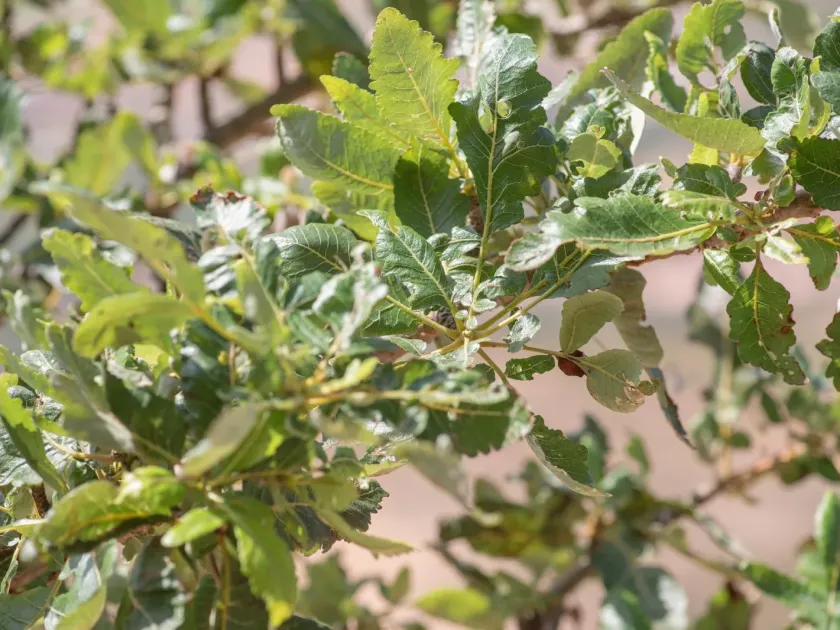
Description
Growing requirements
Boswellia popoviana is a distinct species within the Burseraceae family, primarily recognized for its ability to thrive in extremely arid environments. This woody perennial is perfectly adapted to the harsh conditions of rocky and limestone terrains.
The plant requires full sun exposure and excellent soil drainage to prevent any root rot. It is highly sensitive to moisture accumulation, making it unsuitable for areas with high rainfall or heavy clay soil types.
Regarding climate, this species prefers high temperatures and is extremely intolerant of frost. Its metabolic processes are optimized for survival during prolonged dry seasons when water availability is minimal.
Morphologically, the tree displays a distinct bark structure with peeling layers, which helps in thermoregulation. The foliage is sparse, reducing transpiration rates in arid, windy habitats.
The primary economic application of the plant is the harvesting of high-quality resin. The resinous exudate is traditionally collected from the bark and is valued for its unique aromatic and medicinal properties.
Main diseases and pests
The main threat to Boswellia popoviana populations involves wood-boring insects that attack the trunk. These pests typically infest trees that have been weakened by excessive or improper resin tapping techniques.
Fungal infections can occur when the environment remains unusually humid for an extended period, leading to decay in damaged sections of the tree trunk.
Over-harvesting of the resin by humans is a significant threat, as it strips the tree of necessary nutrients and opens wounds that serve as entry points for pathogens.
In certain regions, competition from invasive species can restrict the growth of young saplings, limiting their access to scarce soil nutrients in mountainous areas.
Preventative measures include the use of sanitized tools during resin collection and maintaining a strict interval between tapping sessions to allow the plant to recover its vitality.