
Boswellia papyrifera
Boswellia papyrifera
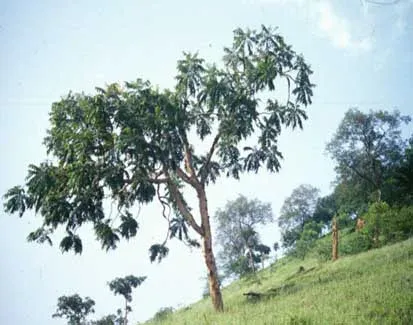
Description
Growing requirements
Boswellia papyrifera is a deciduous tree belonging to the Burseraceae family. It is most famous for its ability to produce high-quality frankincense resin, which has been traded for centuries across the globe for ritualistic and medicinal purposes.
The native habitat of this species is found in the arid and semi-arid regions of East Africa, specifically in Ethiopia, Sudan, and Eritrea. The tree is highly adapted to harsh environments where annual rainfall is limited and temperatures remain consistently high throughout the year.
Optimal growth conditions involve well-drained, rocky or limestone soils. Being a drought-resistant plant, it thrives in environments that offer excellent soil aeration, as root rot is the most common cause of failure in agricultural cultivation attempts.
Sunlight exposure is a critical factor for the development of Boswellia papyrifera. Full sun exposure is required to stimulate the biochemical pathways that lead to the production of oleo-gum resins, which are the main commercial output of the tree.
The tree exhibits slow growth rates, particularly in its juvenile stages. It requires a stable environment free from frost, as the physiological mechanisms of the plant are not equipped to handle freezing temperatures, which can cause severe cellular damage.
Harvesting
Resin harvesting involves a traditional technique known as tapping. Skilled harvesters make shallow incisions into the bark of the tree, which allows the sap to flow out and harden into small droplets, often referred to as frankincense tears.
Proper management of the tapping cycle is essential for the sustainability of the tree population. Over-tapping or harvesting too frequently can lead to tree stress, reduced resin quality, and increased susceptibility to fungal diseases or environmental degradation.
The harvested resin is primarily utilized in the production of incense, essential oils, and therapeutic supplements. Boswellic acids found in the resin are highly valued in modern pharmacology for their anti-inflammatory and joint-supporting properties.
Harvesting usually occurs twice a year, depending on the climatic patterns of the specific region. Strategic planning of the harvest dates ensures that the tree has sufficient time to recover during the wet season, preventing long-term damage.
In addition to commercial resin production, sustainable forestry practices involve the protection of wild stands, as Boswellia papyrifera is under pressure due to climate change and habitat loss. Ensuring the vitality of these trees is a priority for biodiversity conservation.