
Boswellia neglecta
Boswellia neglecta
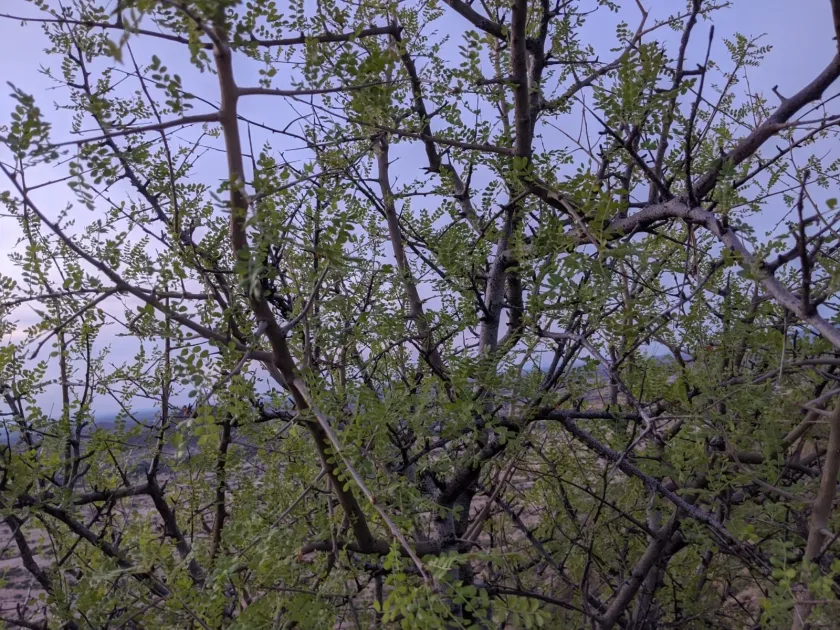
Description
Growing requirements
Boswellia neglecta is a drought-tolerant species belonging to the Burseraceae family. It is native to the arid and semi-arid regions of East Africa, where it thrives in harsh environments that few other woody plants can withstand.
The tree typically grows on rocky slopes and sandy, well-draining soils. It is highly adapted to high temperatures and prolonged periods of water scarcity, which are characteristic of its native habitat in the savanna.
In terms of agricultural requirements, this species demands full sun exposure to maintain optimal health and resin production. Proper site selection is crucial to ensure that the trees receive maximum sunlight and are not subjected to waterlogging, which is detrimental to their roots.
Propagation is usually handled through nurseries using seeds or cuttings. Once established, these trees are extremely hardy and require minimal intervention, making them suitable for low-input agroforestry systems in dry climates.
The economic value of the tree lies in its resin, which is harvested for industrial use. This resin is widely utilized in the pharmaceutical and fragrance industries due to its distinct chemical profile, rich in essential oils and boswellic acids.
Main diseases and pests
The main threats to Boswellia neglecta plantations include wood-boring insects that exploit the fresh incisions made during harvesting. These pests can cause significant damage to the tree's vascular system if left unmanaged.
Fungal infections are a potential risk if trees are exposed to excessive moisture. Maintaining optimal drainage is the most effective preventative measure against root rot and other moisture-related diseases in dryland crops.
Wildlife, particularly grazing animals, can damage young saplings. Protective fencing and regular monitoring are recommended to prevent excessive browsing, which can stunt tree growth and reduce future yields.
Over-tapping is a significant concern for the health of the tree population. Applying too many incisions in a short period of time stresses the plant, reducing its resin quality and making it susceptible to secondary environmental stressors.
Climate instability and erratic rainfall patterns can disrupt the growth cycle of the trees. Farmers must adapt their management strategies to ensure that the trees can cope with extreme environmental fluctuations.
Harvesting
The harvesting process involves making precise, shallow incisions in the trunk and branches of the tree. This technique induces the tree to secrete resin, which serves as a protective mechanism against physical damage.
The resin exudes from the incisions and solidifies upon exposure to air and heat. The collection process is carried out by hand, with workers carefully scraping off the hardened resin deposits after several days or weeks of formation.
Sustainable harvesting practices are essential to ensure the longevity of the trees. Harvesters must follow a strict schedule, allowing the trees adequate periods of rest between sessions to recover their metabolic balance.
After collection, the raw resin is sorted and cleaned to remove impurities like bark fragments or debris. The quality is judged by the color, size, and aroma of the resin tears, with premium grades fetching higher prices on the market.
Proper storage is required to maintain the integrity of the essential oils within the resin. The product should be kept in cool, dry conditions to prevent oxidation and loss of volatile compounds before processing.