
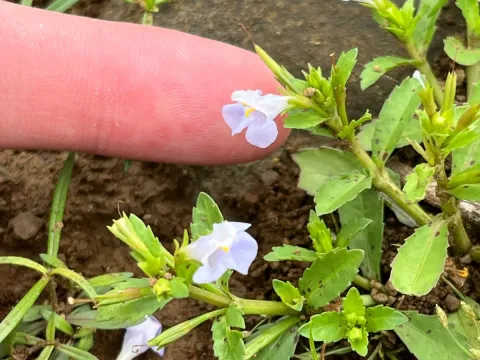
Bonnaya
Bonnaya
The genus Bonnaya, belonging to the Plantaginaceae family, is primarily represented by moisture-loving herbs. In natural tropical conditions, Bonnaya seeds germinate under stable high temperatures and high substrate moisture.
What the section contains

Bonnaya
For purposeful propagation, seeds are sown in specialized nurseries or containers with a high level of soil moisture. The optimal period for the start of sowing is the arrival of stable warm weather without sharp fluctuations in night temperatures.
The seeding depth should be minimal, as the seeds are very small. In agricultural practice, a surface sowing method is often used, followed by mulching with a thin layer of loose substrate to retain moisture.
Seedlings of Bonnaya are sensitive to direct sunlight in the first days of development, so shading the sowing areas is recommended. Seed germination usually occurs within 10–14 days while maintaining a constant humidity level.
When used in aquaculture or ornamental gardening, Bonnaya is often planted using the seedling method in pots with perforations, which allows for control over the density of the plants during initial growth stages.
Bonnaya plants have strict requirements for water management, preferring swampy areas, banks of water bodies, or shallow waters. The optimal environment for them is waterlogged soil rich in organic matter with a pH ranging from slightly acidic to neutral.
The temperature optimum for normal vegetation is +22…+28 degrees Celsius. The crop reacts extremely negatively to drought and sharp temperature drops, which limits its cultivation area exclusively to tropical and subtropical regions.
Light requirements are determined by the specific species, but most Bonnaya representatives prefer diffused light or partial shade. Direct intense sunlight can cause leaf burns if air humidity is insufficient.
The soil substrate must have high water-holding capacity, which is often achieved by adding peat, humus, or specialized hydrogels. Root system aeration during constant flooding is secondary to the water demand.
The plant shows high dependency on the concentration of macronutrients in water and soil, so periodic application of liquid complex fertilizers is critical for biomass formation.
The main threats to Bonnaya are phytopathogenic fungi that develop in stagnant water conditions. Excess humidity without air circulation contributes to the appearance of various root collar and stem rots.
Pests, such as leaf-eating insects and members of the Orthoptera order, can cause significant damage to the leaf blade. Regular inspection allows for the timely containment of infestation hotspots.
Nematodes, specific to tropical crops, can attack the roots, causing stunted growth and subsequent plant death. Soil treatment before planting is used as a preventive measure.
The appearance of algae on the soil surface or in the water around Bonnaya creates competition for nutrients. Weeding and water quality control are key methods of management.
Non-infectious lesions are often associated with violations of the acid-base balance of the environment. Shifts in pH levels beyond acceptable limits lead to leaf chlorosis and the cessation of vegetative processes.