
Bonnaya multiflora
Bonnaya multiflora
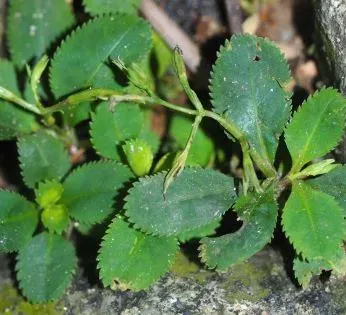
Description
Growing requirements
Bonnaya multiflora is a herbaceous plant species belonging to the Plantaginaceae family. It is naturally occurring in tropical and subtropical regions, where it thrives in high-humidity environments.
This plant is biologically adapted to wet habitats and is frequently found in rice paddies and along the edges of swamps. Its growth habit includes prostrate or ascending stems, which is typical for plants in this ecological niche.
The climate requirements for this culture center on consistently warm temperatures and high air humidity. It performs best in tropical climates where the temperature does not drop significantly throughout the growing season.
Soil requirements for Bonnaya multiflora necessitate high water retention capacity. Silty and clay-rich soils are considered ideal, provided there is constant access to moisture to support the plant's metabolic functions.
For optimal development, the plant requires balanced nutrient availability in the substrate. Nitrogen and phosphorus levels in the soil must be managed carefully to ensure vigorous vegetative growth and proper flower development.
Main diseases and pests
Bonnaya multiflora is susceptible to several pathogens, primarily those associated with high-moisture agricultural environments and waterlogged soil conditions.
Root rot diseases are the most significant threat, often triggered by poor soil aeration and water stagnation around the root collar.
Pest pressure comes from both foliar-feeding insects and soil-borne nematodes that can severely impact the root system of the plant.
Effective management includes maintaining proper water flow in drainage channels and using certified disease-free planting material.
Integrated pest management strategies should be applied to prevent the spread of diseases, focusing on cultural practices rather than exclusively chemical treatments.