
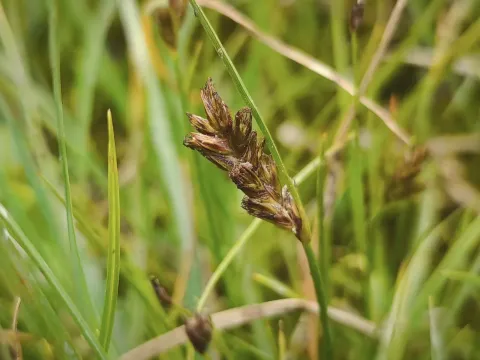
Blysmus
Blysmus
Blysmus is a genus of perennial herbaceous plants belonging to the Cyperaceae family. It is recognized for its preference for wetland habitats, including marshes, wet meadows, and the margins of water bodies, where it plays a critical role in local vegetation structure.
What the section contains


Blysmus
The plant features a creeping rhizome system that allows it to form dense mats or colonies. This root structure is essential for stabilizing muddy soils and preventing erosion in sensitive wet environments where other vegetation might struggle to establish itself.
The growth requirements for Blysmus are centered on consistent high moisture levels. It performs best in nutrient-rich, moist substrates with a neutral or slightly acidic pH, and it requires full sun exposure to maximize biomass production throughout the growing season.
The distribution of Blysmus spans across various temperate zones, showing a high level of environmental adaptability within its native range. It is often found in both low-altitude coastal wetlands and high-altitude alpine fens, reflecting the genus's ecological flexibility.
In terms of agricultural utility, Blysmus is mainly categorized as a natural pasture forage in wetlands. While not typically cultivated as a primary crop, it provides essential green fodder in areas that are unsuitable for standard grain or hay production.
The most significant threat to Blysmus populations is land drainage and large-scale water management projects. Lowering the water table rapidly compromises the survival of the plant, as it lacks the physiological mechanisms to cope with prolonged drought.
Pathogenic threats include various fungal infections, particularly those that thrive in stagnant water conditions. Leaf rusts and molds can impair the plant’s photosynthesis, significantly reducing its vigor during the peak summer months.
Insect pests include specialized herbivores that target rhizomes and basal stems. Although infestations are rarely catastrophic, repeated damage by larvae can inhibit the plant's ability to spread and regenerate, especially in stressed environments.
Overgrazing poses a physical threat to the structural integrity of the plant community. Since Blysmus relies on an interconnected mat of rhizomes, excessive trampling by livestock can break the root system and expose the soil to further degradation.
Effective management strategies for protecting Blysmus involve maintaining steady hydrological conditions and implementing rotational grazing practices. By preserving the natural water balance, the resilience of the species against diseases and external stress is significantly improved.