
Bird's-foot sedge
Carex ornithopoda
Description
Growing requirements
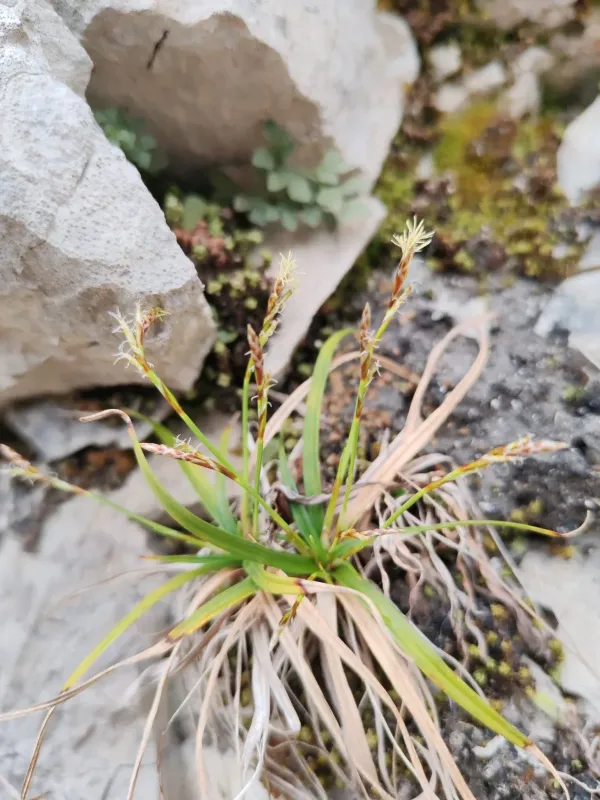
Bird's-foot sedge (Carex ornithopoda) is a perennial herbaceous plant belonging to the Cyperaceae family. It is native to temperate regions of Europe, frequently appearing in woodland habitats and mountainous terrain.
The plant is characterized by its distinct inflorescence that resembles a bird's foot, which serves as its primary aesthetic feature. It grows in low, dense clumps that add texture to forest-floor garden designs.
For successful cultivation, the species requires moist but well-drained soil with a neutral to slightly alkaline pH. It thrives in semi-shaded conditions, making it an excellent choice for areas under canopy trees.
Agricultural management is minimal, focusing on maintaining soil porosity and avoiding waterlogging. Because it is adapted to mountain conditions, it demonstrates significant resilience against cold temperatures.
In landscaping, it is used as an ornamental ground cover in rock gardens or as an edge plant in shade gardens. Its ability to maintain a tidy, compact habit makes it highly valued by garden designers.
Main diseases and pests
The primary threats include fungal pathogens such as rust and leaf spots, which typically develop in conditions of high humidity and poor air circulation. Proper spacing between plants is critical for disease prevention.
Root pests are considered a secondary threat, often emerging when the soil is overly saturated. Regular monitoring of the plant's base can prevent the spread of infestations and preserve the plant's health.