
Saltmarsh flat-sedge
Blysmus rufus
Description
Growing requirements
Saltmarsh flat-sedge (Blysmus rufus) is a perennial herbaceous plant belonging to the Cyperaceae family. It is a well-known halophyte, typically found in saline or brackish habitats such as salt marshes, coastal meadows, and damp sandy areas across the Northern Hemisphere.
The plant originates from temperate regions of Eurasia and North America. Its natural habitat is characterized by periodic flooding and high salt concentrations, conditions that exclude many less tolerant plant species and allow Blysmus rufus to dominate.
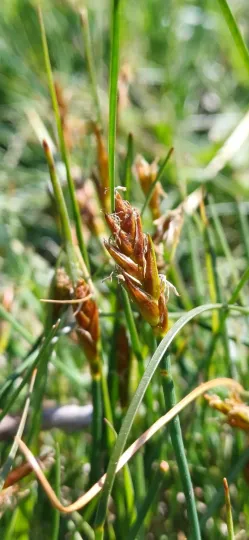
Botanically, the plant is distinguished by its creeping rhizomes, which allow it to spread horizontally and form dense, carpet-like mats. The stems reach heights of 10–30 cm, bearing narrow, channeled leaves and distinctive rusty-brown spikelets, which give the plant its characteristic appearance.
The environmental requirements for this plant include consistently high soil moisture and access to mineralized water. It thrives in soils that may be considered sub-optimal for traditional agriculture, demonstrating exceptional resilience to fluctuating water salinity.
In terms of land use, saltmarsh flat-sedge is primarily utilized in extensive livestock grazing systems in coastal areas. It serves as a soil stabilizer, preventing erosion in fragile wetlands, and is considered an important indicator species for the health of saltmarsh ecosystems.
Main diseases and pests
The primary threats to Saltmarsh flat-sedge populations are landscape-level changes caused by human activity. Drainage projects intended to convert wetlands into arable land or construction sites directly destroy its niche and lead to local extinction.
Pathogens affecting Cyperaceae, such as various species of smut fungi, can occasionally impact the reproductive organs of the plant. While generally not fatal to the individual plant, these infections can limit the spread of seeds across the colony.
Pests such as specialized sap-sucking insects or leaf-miners are rarely observed in high enough numbers to cause significant damage to the population. The high salt content in the plant's tissue likely serves as a natural deterrent to many generalist herbivores.
Environmental stressors such as heavy metal contamination from urban run-off or excessive eutrophication from nearby agricultural activities can severely impact the plant's development. It is highly adapted to nutrient-poor, saline conditions rather than nutrient-dense, freshwater-fed environments.
Conservation strategies focus on the preservation of natural hydrological regimes in coastal zones. Restricting excessive trampling by livestock during the flowering season and protecting wetlands from further encroachment are essential to maintaining healthy stands of this unique sedge.