
Bohemian sedge
Carex bohemica
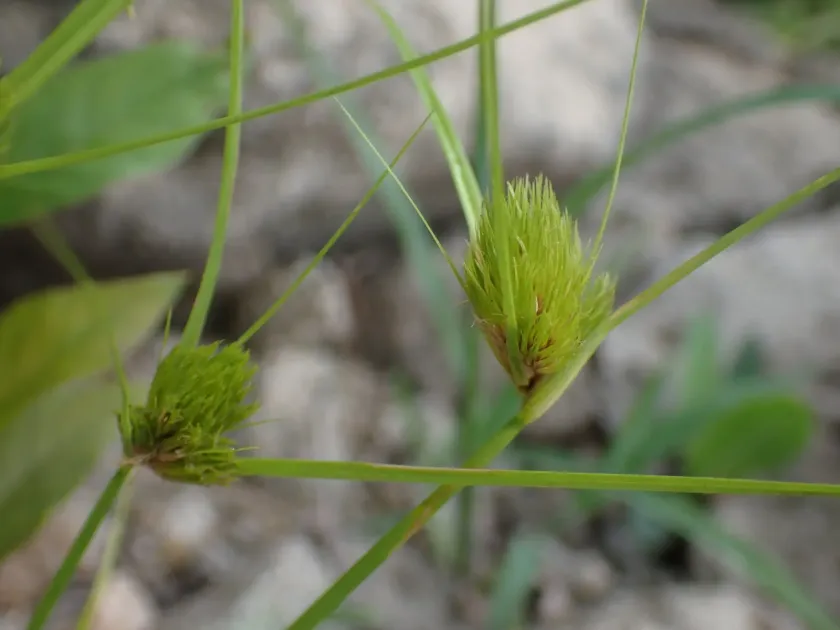
Description
Sowing dates
Bohemian sedge is an annual plant species that relies on seed dispersal to maintain its population. Seeds typically germinate on exposed mudflats after water levels recede in late summer.
For cultivation, seeds should be sown on a consistently damp substrate. It is crucial to maintain high humidity levels throughout the germination process to ensure success.
The seeds require light for germination, so they should not be buried deep. Pressing them gently into the moist soil surface provides the best results for seedling establishment.
Strategic timing of sowing is key, often matching the natural seasonal cycle of wetland drying to facilitate robust initial growth and development.
Once established, the plants form dense mats that can effectively stabilize soil on banks, provided the moisture levels remain stable throughout their growth cycle.
Growing requirements
Bohemian sedge belongs to the Cyperaceae family and is adapted to specific wetland habitats. It thrives in open, sunny locations characterized by muddy or clayey soils.
The plant requires periodic inundation or a constantly saturated soil profile to complete its life cycle effectively, as it lacks drought tolerance.
Ideal sites include the margins of ponds, riverbanks, or temporary ditches where the soil composition is rich in organic matter and nutrients.
Exposure to direct sunlight is necessary for the plant to thrive, as it does not compete well in shaded areas where other tall species might outgrow it.
Maintenance involves ensuring that the habitat does not dry out completely during the heat of the summer, as moisture is the limiting factor for this species.
Main diseases and pests
While relatively hardy in its niche, Bohemian sedge can be susceptible to various fungal pathogens when stagnant water conditions promote excessive humidity near the stems.
Herbivorous insects can cause localized damage to the foliage, though this rarely poses a threat to the overall population unless the infestation is severe.
The primary threat to Bohemian sedge is the loss of its habitat due to drainage or the invasion of more aggressive, long-lived perennial wetland grasses.
Monitoring for excessive weed growth in the early stages of development is important to ensure the young sedge plants are not choked out by faster-growing competitors.
Managing the water level is the most effective way to protect the plant, as maintaining the correct hydrological balance prevents most biotic and abiotic stresses.