
Blue sedge
Carex pruinosa
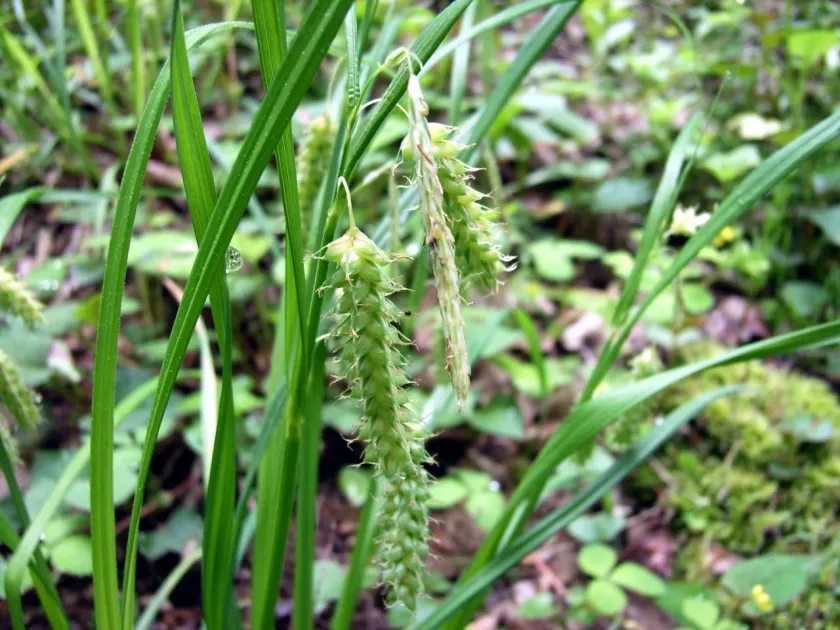
Description
Growing requirements
Blue Sedge (Carex flacca) is a perennial herbaceous plant belonging to the Cyperaceae family, widely recognized for its striking blue-green foliage and low-maintenance characteristics.
Native to Europe, North Africa, and parts of Asia, this species thrives in a variety of environments, ranging from moist meadows to limestone-rich soils, showcasing excellent environmental adaptability.
The plant grows in dense clumps and spreads via rhizomes, making it an ideal choice for erosion control and establishing stable vegetation cover on slopes and disturbed ground.
Regarding cultivation requirements, Blue Sedge prefers sunny to partially shaded locations and is noted for its ability to tolerate occasional waterlogging as well as periods of moderate drought once established.
In professional landscaping, it is utilized for its ornamental foliage, acting as a ground cover that effectively suppresses weed growth and maintains a tidy appearance throughout the growing season.
Main diseases and pests
Blue Sedge is inherently resistant to most common agricultural pests and diseases, which is a significant advantage for low-input vegetation management.
While generally hardy, the plant may occasionally suffer from fungal leaf spots if grown in areas with poor air circulation or chronic over-saturation of the soil.
Insects that typically affect forage grasses rarely impact this species due to the high silica content in the leaf blades, which acts as a natural deterrent against herbivory.
To maintain plant vigor, it is recommended to perform a cleaning cut in early spring to remove accumulated dead leaves and promote healthy new growth.
There are no specific major threats that would require chemical treatment, reinforcing the ecological sustainability of this culture in various environmental projects.