
Brazilian sedge
Carex brasiliensis
Description
Sowing dates
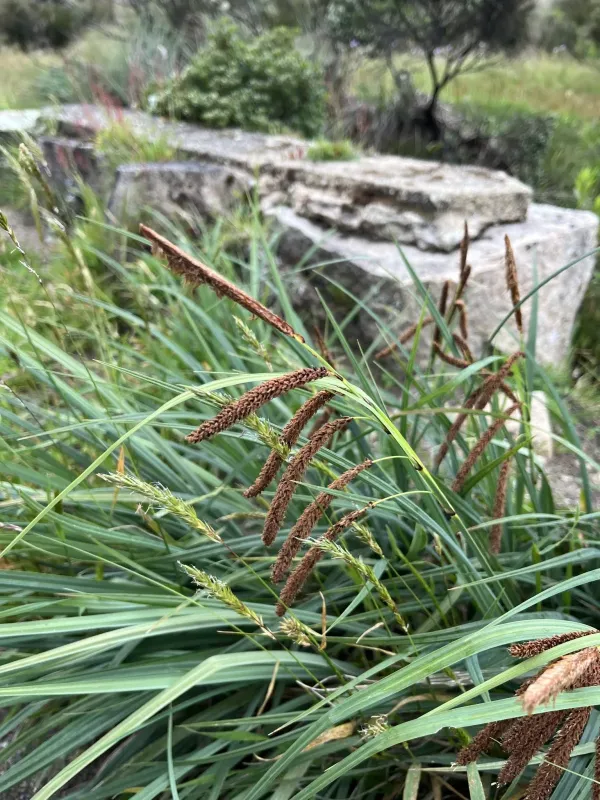
The Brazilian sedge (Carex brasiliensis) belongs to the Cyperaceae family, a group of grass-like perennial plants known for their structural elegance. Propagation is primarily achieved through division of established clumps, which is the most reliable method for maintaining genetic consistency and vigor in agricultural or landscape settings.
Seed propagation requires greenhouse conditions with a stable temperature around 20 degrees Celsius. Seeds typically require a period of stratification to break dormancy, ensuring a uniform germination rate across the nursery bed, which is vital for efficient production cycles.
When transplanting into the field, ensuring adequate soil moisture is critical. The plants are spaced approximately 30 to 40 centimeters apart to allow for proper airflow and root development, which prevents overcrowding and competition for resources during the growing season.
Preparation of the growing medium should focus on high organic matter content, as this species thrives in nutrient-rich, moisture-retentive soils. The inclusion of compost or well-rotted manure during the initial planting phase significantly boosts the establishment speed of the seedlings.
Irrigation management immediately after sowing is essential. The soil must be kept consistently moist but not waterlogged, as the roots require oxygen to establish a healthy connection with the surrounding substrate before the plant can become self-sustaining.
Growing requirements
This species is highly adaptable, preferring environments that mimic its natural moisture-rich origins. It performs exceptionally well in areas with partial shade, though it can tolerate full sun provided that the moisture levels in the soil are consistently monitored and kept high.
Carex brasiliensis requires soils with a balanced pH, preferably slightly acidic to neutral. In terms of climate, the plant is versatile, though it flourishes best in temperate conditions. It is essential to protect the plant from extreme desiccation during prolonged dry spells to maintain its visual quality.
Nutrient management involves applying a balanced slow-release fertilizer early in the spring. This encourages strong vegetative growth and supports the development of the dense, fountain-like foliage characteristic of the species, without promoting excessive, weak growth.
Regular maintenance includes clearing away dead or damaged leaves, typically performed in late winter or early spring before the onset of new growth. This sanitation practice is crucial for the overall health of the plant and prevents the accumulation of debris.
Water requirements remain high throughout the growing season. While the sedge is hardy, it is not a true desert plant and will exhibit signs of stress, such as leaf browning, if allowed to dry out completely. Using mulching materials around the base can help retain moisture.
Main diseases and pests
Fungal issues are the most frequent threat to the Brazilian sedge, especially when air circulation is poor or humidity levels are excessively high. Root rot is a common outcome if the soil drainage is inadequate, leading to plant decline and possible mortality.
Pests such as aphids and spider mites can occasionally affect the foliage, particularly during dry, warm intervals. Regular inspection of the undersides of the leaves is advised, as these pests can cause significant stunting if left unchecked over extended periods.
The accumulation of old foliage at the base of the plant can provide an ideal environment for pathogenic fungi. Therefore, regular removal of senescent leaves is a vital part of the integrated pest and disease management strategy for this crop.
Ensuring proper spacing between individual plants is an effective preventive measure. High-density planting without sufficient space between the clumps significantly increases the risk of disease transmission within the population.
In cases of severe infestation, the application of appropriate systemic fungicides or miticides should be considered. However, the focus should always remain on preventive measures such as optimal irrigation and sanitation to minimize the need for chemical intervention.